Invasive Species in Pelham: Protecting Our Native Landscapes
Invasive plants may look harmless—or even beautiful—but they threaten the very ecosystems that make Pelham’s conservation areas so special. These aggressive, non-native plants crowd out native wildflowers, damage habitats for birds and pollinators, and reduce the diversity that keeps our forests and wetlands healthy.
At Pelham Pathways, we’re committed to preserving the natural balance of our trails and open spaces through careful monitoring, community education, and volunteer stewardship. Our Community Trail Coalition (CTC) leads these efforts across Pelham’s conservation lands, including Merriam Farm Conservation Area, home of Virginia’s All Persons Trail.
Why Invasive Plants Matter
According to New Hampshire state law (RSA 430:52.VII), an invasive species is any non-native plant “whose introduction causes or is likely to cause economic or environmental harm or harm to human health.” Once established, these plants spread rapidly—displacing native vegetation, altering soil chemistry, and reducing habitat for wildlife.
At Merriam Farm, our volunteers have identified several invasive species to watch for:
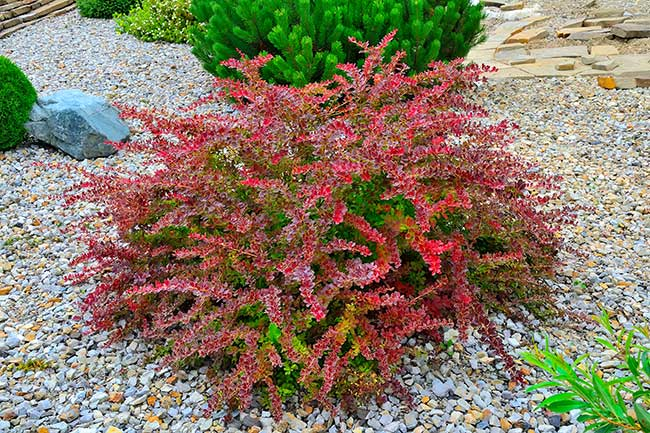
Japanese Barberry (Berberis thunbergii)
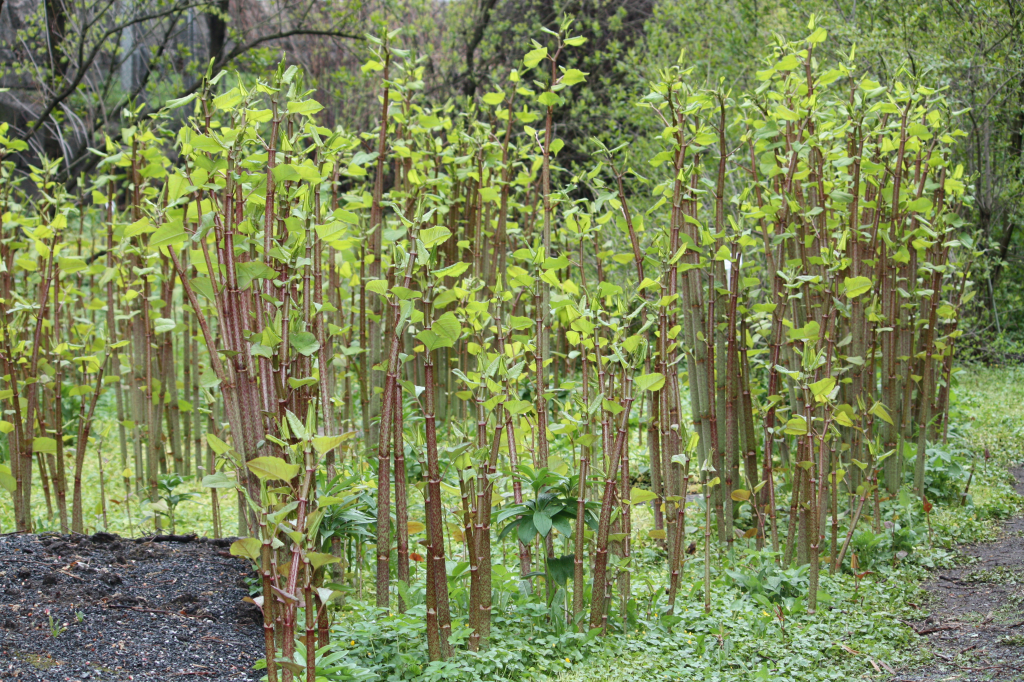
Japanese Knotweed (Reynoutria japonica)
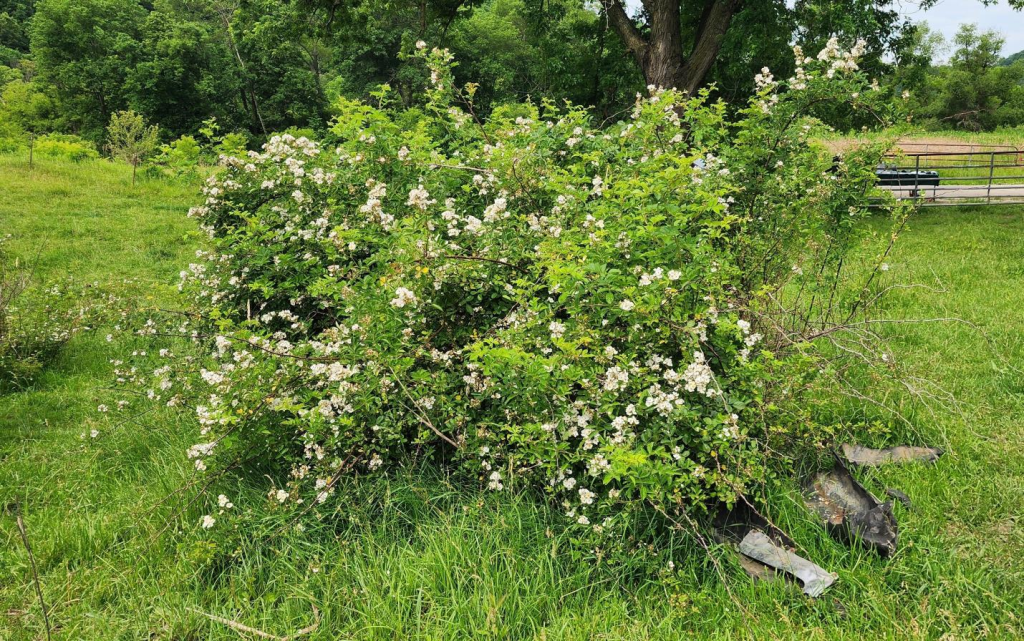
Multiflora Rose (Rosa multiflora)
Oriental Bittersweet (Celastrus orbiculatus)
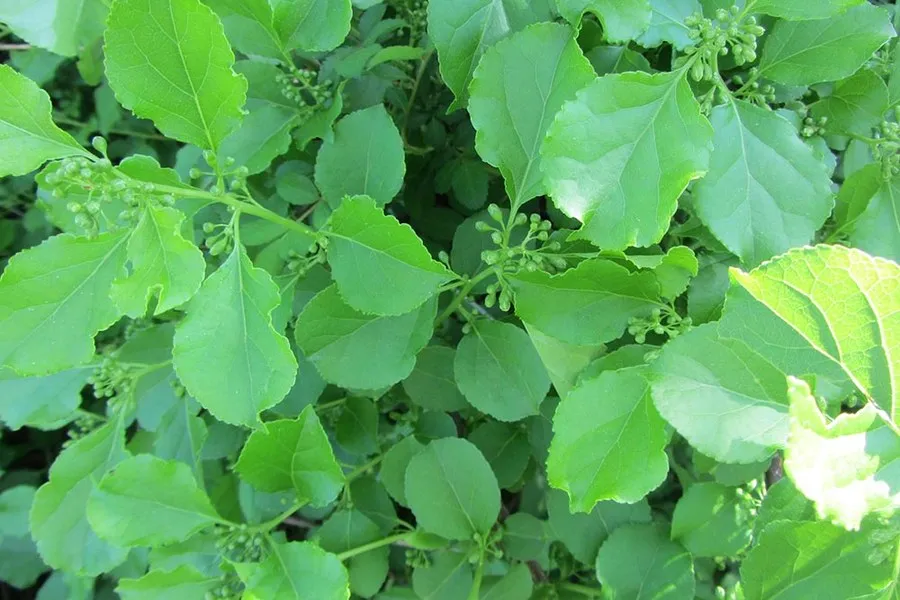
Glossy Buckthorn (Frangula alnus) and Common Buckthorn (Rhamnus cathartica)—not yet widespread, but on our radar
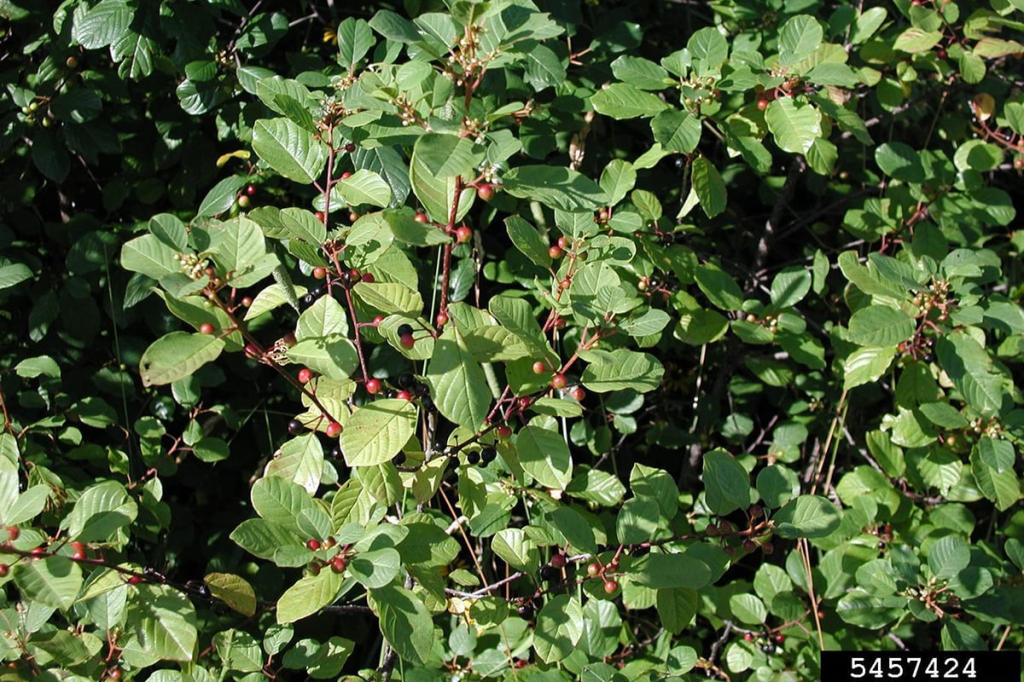
The native Alder Buckthorn also grows at Merriam Farm and is often confused with its invasive relatives. Learning to tell them apart is one of the first steps toward effective management.
Monitoring and Prevention
Twice a year—in spring and fall—the Community Trail Coalition will conduct invasive species inspections at Merriam Farm. Volunteers document species type, location, and severity, and evaluate whether removal is needed. All findings are reviewed by the Community Trail Coalition Committee to guide next steps.
To prevent accidental spread, all tools and equipment used for mowing, trimming, or trail work must be thoroughly cleaned before entering wetland areas. Even a small amount of soil or seed can transport invasive plants to new locations.
Removal and Rehabilitation
When infestations are found, our team uses two main strategies:
1. Physical Control:
Pulling or digging plants by hand or with tools, removing roots and rhizomes, and safely disposing of the material so it cannot regrow.
2. Chemical Control:
When necessary, herbicides may be applied carefully and selectively using hand or backpack sprayers, following all manufacturer and environmental guidelines.
3. Replant disturbed areas with native species, if appropriate:
This strategy is a recognized step in rehabilitating an infested area (UNH), and Pelham Pathways should make that commitment.
Both methods require precision and care to protect nearby native plants and wetland systems.
Community Education and Volunteer Opportunities
Public awareness is key to stopping invasives before they spread. Pelham Pathways incorporates invasive plant education into guided hikes, trail signage, and community outreach materials.
Each year, Pelham Pathways invites volunteers to participate in an Invasive Species Training and Removal Day—an opportunity to learn from experts and take action. In 2026, the volunteer removal effort will focus on the Merriam Farm Conservation Area in early spring.
Training and cleanup dates will be announced in March.
Join us to help protect Pelham’s trails, wetlands, and wildlife from invasive plants—and ensure our conservation lands remain vibrant and resilient for generations to come.
Learn More


Leave a comment