
Tim Kennedy: Guardian of the Pelham Town Forests
Every community has people who quietly hold it together—individuals who give not for recognition, but because something inside them insists that the work matters.
In Pelham, one of those people is Tim Kennedy.
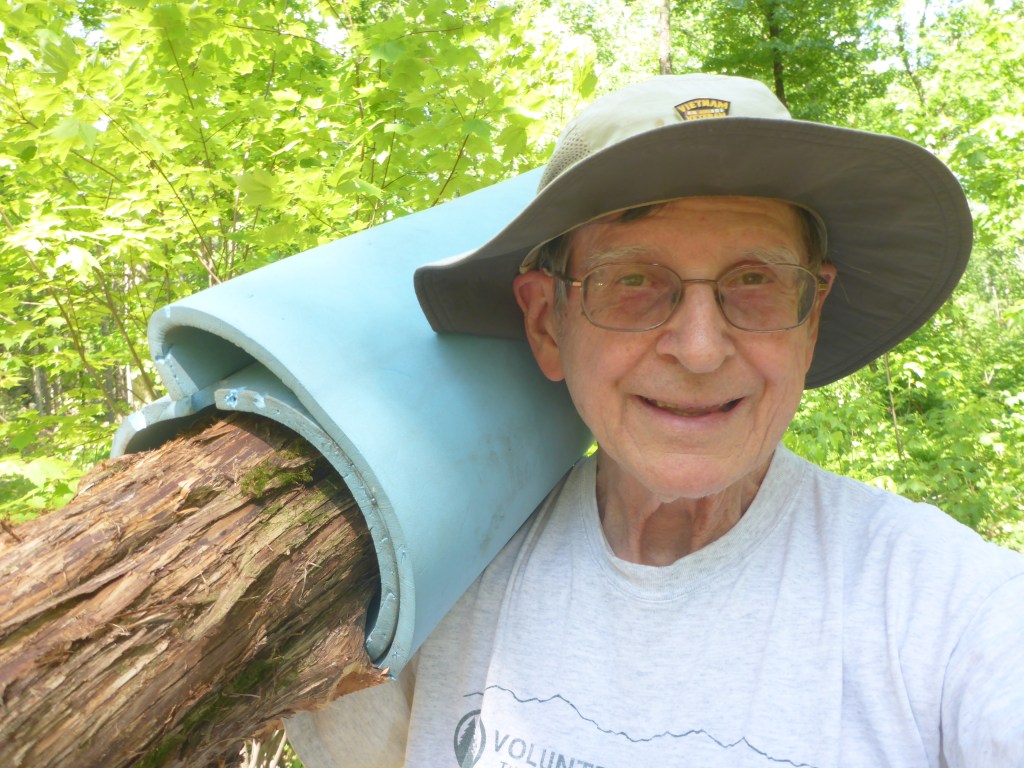
Tim asks for no thanks. He keeps no tally of hours. He works alone, by hand, day after day, caring for more than 23 miles of trails that wind through Pelham’s town forests. He clears fallen trees, repairs bridges, installs water bars, hauls lumber, and quietly fixes what is broken—never using motorized equipment, never waiting to be asked. To many who walk these paths, he is unseen. Yet without him, the trails simply would not be what they are.
It is no exaggeration to say that Tim Kennedy is the guardian of Pelham’s forests.

Tim Kennedy’s story
From City Streets to Wilderness Paths
Tim was born in 1945 and grew up in Somerville, Massachusetts, in a three-story tenement building. When his family later moved to Wakefield, he thought he had arrived in the wilderness. At the time, he could not have imagined the role nature would one day play in his life.
He volunteered to serve in the Vietnam War, leaving college behind, driven by a sense of duty and a belief—common to his generation—that service mattered. When he returned, he discovered something unexpected: hiking was the only place his mind found peace. He often says he tried to “walk off the war.”
Tim began hiking in 1968, long before GPS, trail apps, or modern gear. In those early years, he didn’t even know the Appalachian Mountain Club existed—until he happened upon a trailhead sign. Eventually, hiking became not just a refuge, but a calling.
A Life Built on Commitment
Tim moved to Pelham in 1971, building a home with his wife Leslie on Deerfield Hill. They had hiked to the muddy, snow-covered lot together one February afternoon to imagine where their future would take root. They were married for 52 years.
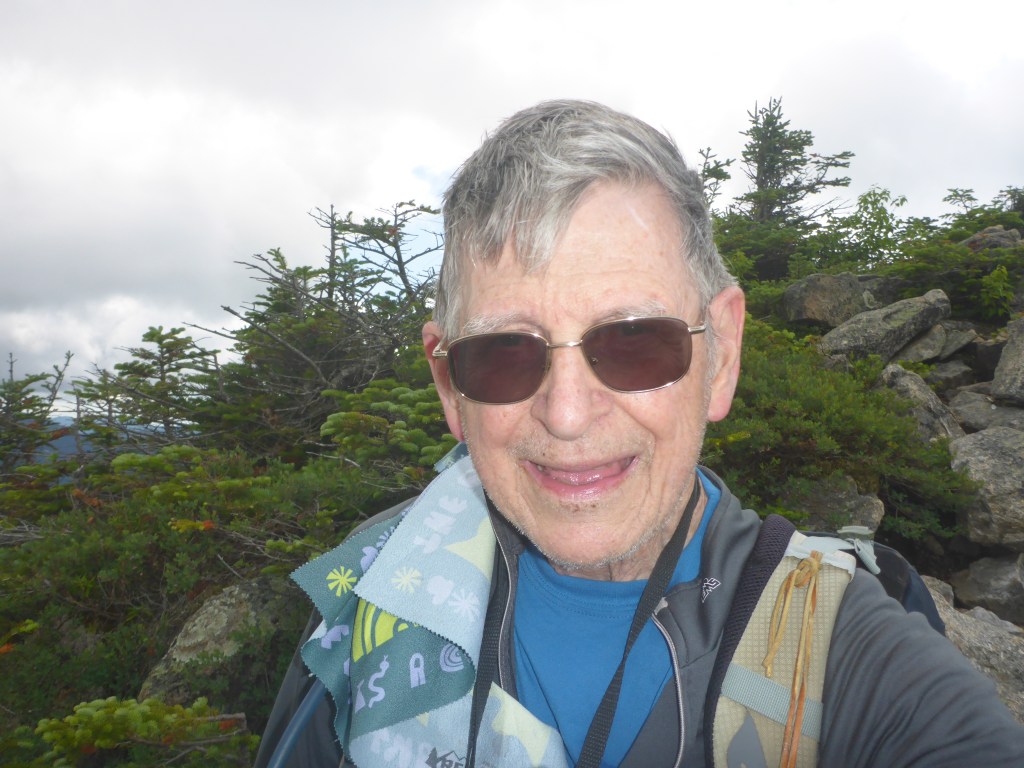
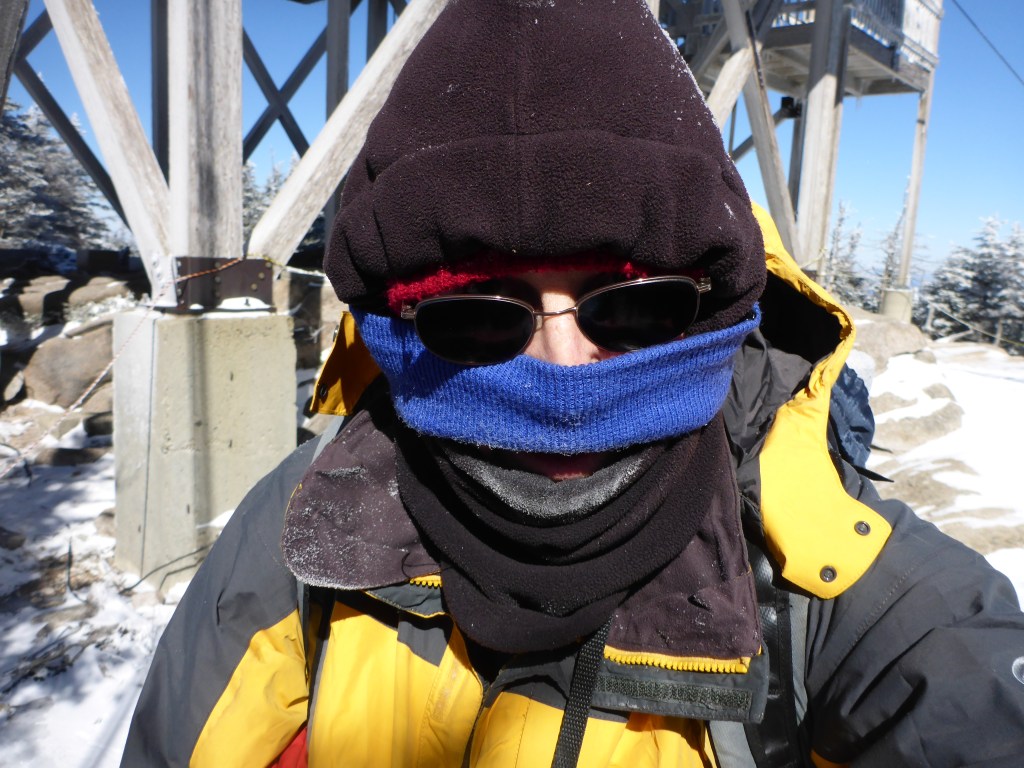
Leslie joined Tim on early hikes, until—by Tim’s own admission—he nearly fed her to a bear and almost drowned her. That was enough adventure for her. Tim continued on alone until he found community through the Appalachian Mountain Club, where he would later serve as a trip leader for 45 years, leading winter hikes to New Hampshire’s 4,000-foot summits across six decades.
Leslie passed away in February 2022 after a battle with breast cancer. In the quiet that followed, the woods once again became a place of grounding and purpose.
The Mountains—and Beyond
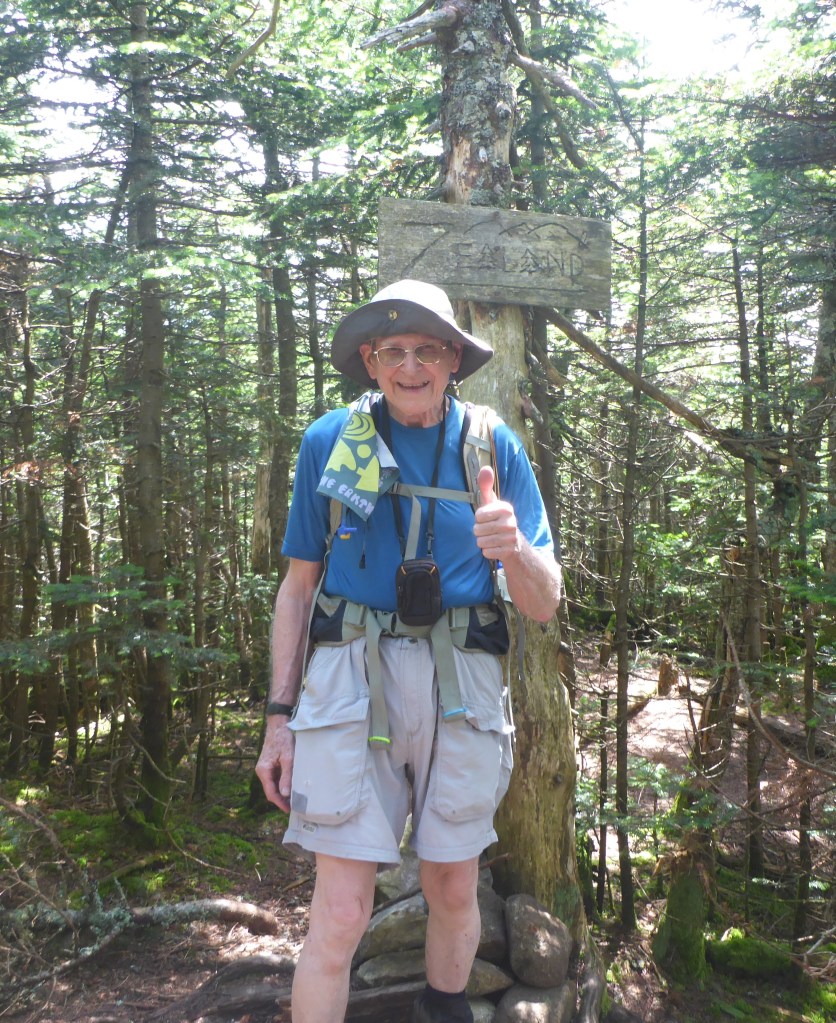
In 2024, at the age of 79, Tim set a goal that many hikers half his age would hesitate to attempt: to climb all 48 of New Hampshire’s 4,000-foot peaks after turning 80. Inspired by a woman over 80 who had completed the same feat, Tim thought simply, If she can do it, so can I.
He trained deliberately. He logged every mile, elevation gain, and route in meticulous spreadsheets—skills honed during a career in production and financial control. He hiked nearly 300 miles, with multiple 15-mile days and one grueling 23-mile trek. He finished his final peak on December 8, 2025, becoming one of just nine men over 80 to complete the challenge.
Along the way, he became something of a quiet legend. Hikers recognized him on the trail. Social media followed his progress. Strangers stopped him for photos. His achievement inspired countless older hikers to reconsider what they believed was still possible.
Wisdom Earned, Not Lectured
Tim is generous with advice—but never preachy.
He teaches that preparation matters: carry a paper map in a Ziploc bag, know your distances and junctions, read trail signs carefully, and never rely solely on a phone. He has seen too many hikers head out unprepared—on Pelham trails and in the White Mountains alike.
He believes in good gear, but not fancy gear. He stitches, patches, and duct-tapes what he owns, joking that he’s not sure whether his gear will wear out first—or he will.
And above all, he believes movement is life:
“A body at rest stays at rest—and pretty soon, you won’t be able to move.”
Turning Homeward: Pelham’s Trails
When COVID hit, Tim made a conscious decision to stay out of the mountains and instead explore closer to home. What he discovered surprised him: Pelham had a network of trails he barely knew, and many of them needed care.
For 30 years, Tim had been a trail adopter in the White Mountains. He knew how trails should be built, drained, and protected. So he simply began.
At Gumpus Conservation Area, he hand-built terraced steps using heavy 6×6 pressure-treated lumber, hauling it himself. He dreams of someday building a bog bridge to connect Gumpus with conservation land in Hudson—carefully, respectfully, without harming wetlands.
He believes trails should be narrow, intimate, and alive—not wide roads stripped of character. And he sees invasive species management not as an abstract issue, but as something that can be taught, modeled, and improved through example.
A Teacher at Heart
Tim’s giving doesn’t stop at trails.
For the past 15 years, he has worked at the Salem Workout Club, teaching children and adults how to rock climb. He teaches children with neurological challenges. He encourages adults with Parkinson’s disease. He inspires young climbers simply by believing in them.
One child —who survived meningitis affecting his brain—runs down the stairs to greet “Mr. Tim.” Watching moments like that, Tim still shakes his head in disbelief:
“They pay me to do this?”
Legacy, Defined Simply
Ask Tim what legacy he hopes to leave, and his answer is characteristically plain:
“Get out there. Move. Hike. Make living worthwhile.”
He believes hiking belongs to everyone. That purpose doesn’t retire. That peace, spirituality, and joy can still be found—one step at a time, even if that step is no farther than the next telephone pole.
As Pelham Pathways looks toward publishing its Trail Guide in 2026, it is fitting that Tim Kennedy’s story be woven into its pages. Because while trails may be marked on maps, they are sustained by people—people like Tim, who quietly show us how to care for the land, and for one another, without ever asking for recognition.
Pelham is fortunate to have him.


Leave a comment