Protecting Our Forests, Meadows & Wildlife Habitat
Pelham’s conservation lands—forests, wetlands, meadows, early-successional grasslands and shrublands—provide essential habitat for pollinators, songbirds, amphibians, small mammals, and several species of conservation concern in New Hampshire.
But these habitats face a growing threat: invasive plant species.
Invasive plants are non-native species that spread aggressively, outcompete native vegetation, and disrupt the ecological balance of entire landscapes. Left unmanaged, they can change soil chemistry, prevent forest regeneration, block wildlife travel corridors, and drastically reduce biodiversity.
Pelham Pathways is committed to educating the public, supporting land stewardship, and applying the latest science-based management practices from NH Fish & Game, UNH Extension, and the NH Natural Heritage Bureau.
New Hampshire law (RSA 430:52.VII) defines an invasive plant as a non-native species that causes—or is likely to cause—environmental, economic, or public-health harm. Once established, invasives:
- Spread rapidly in forests, wetlands, and meadows
- Displace native wildflowers, shrubs, and young trees
- Reduce critical habitat for pollinators & birds
- Alter soil properties
- Out-compete the vegetation that wildlife depend on
- Reduce the natural beauty of Pelham’s conservation areas
A Better Approach: Targeted, Species-Specific Removal
Pelham Pathways uses removal methods proven to be effective, wildlife-friendly, and aligned with NH state guidance.
1. Hand-Pulling (for small plants)
- Best when soil is moist
- Remove entire root system
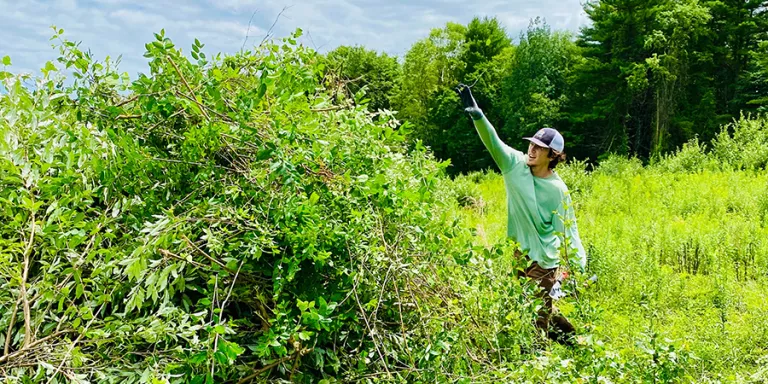
- Hang pulled plants in branches so roots cannot re-establish
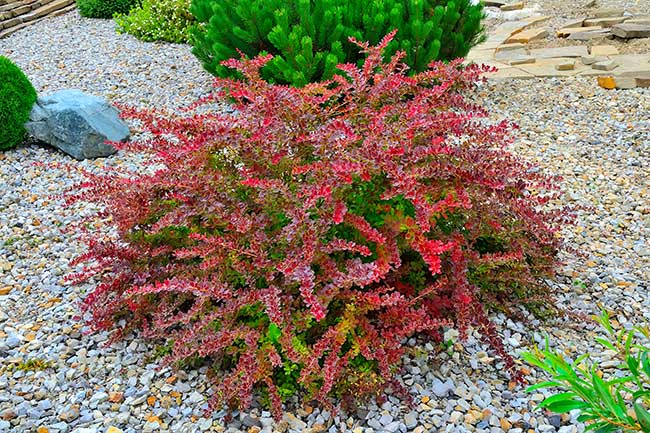
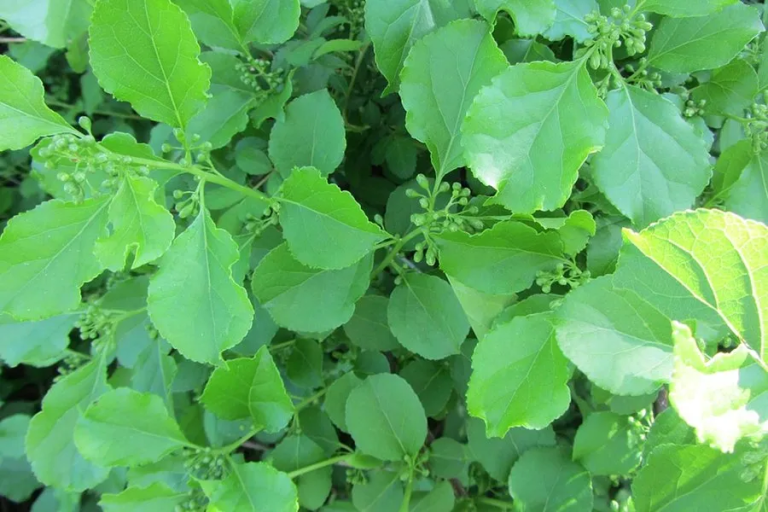
- Works well for small buckthorn, barberry, and bittersweet seedlings
2. Cut-and-Cover (shrubs & woody invasives)
- Cut stems low to the ground
- Immediately cover stump with thick black plastic or landscape fabric
- Check every 6–8 weeks for resprouting
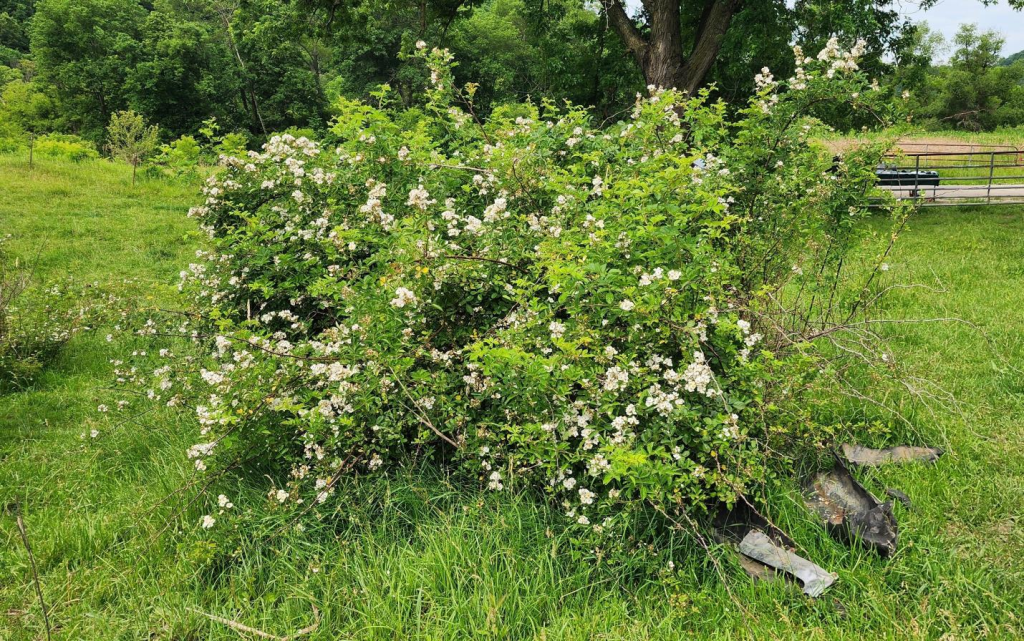
- Useful for buckthorn, multiflora rose, burning bush
3. Smothering (large patches)
- Cover infestation with UV-resistant tarp
- Weight edges with logs, rocks, or stakes
- Leave in place 1–3 seasons
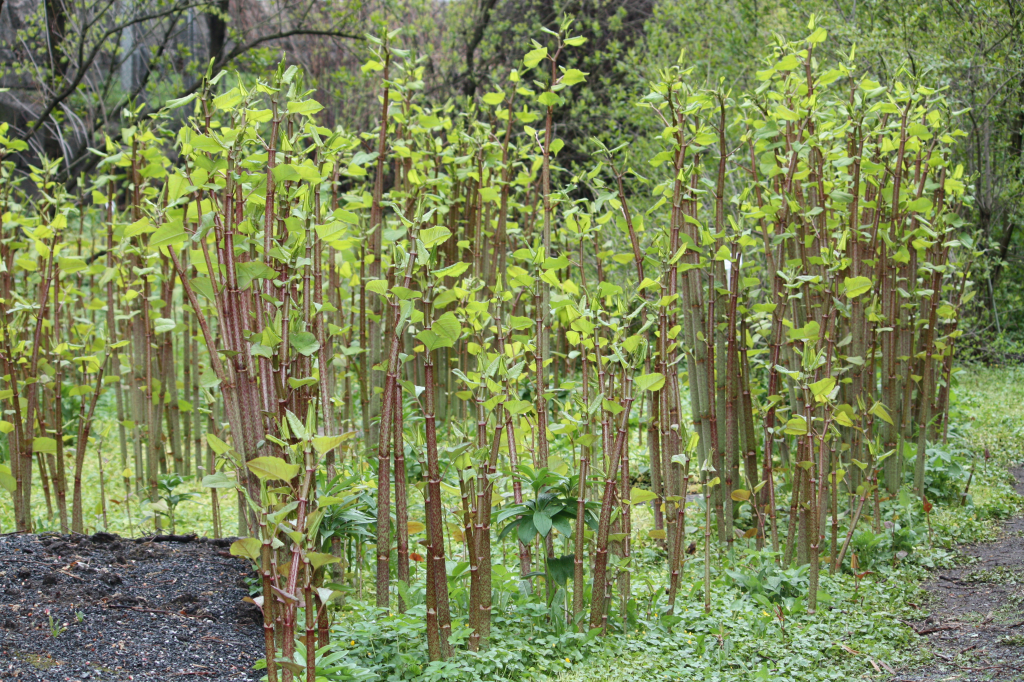
- Essential for Japanese Knotweed (never mow or rototill)
4. Careful Chemical Control (when necessary)
- Used sparingly and only in areas where hand-removal is not feasible
- Applied by trained volunteers following environmental guidelines
- Especially useful for large knotweed or bittersweet infestations in sensitive areas
Why Routine Mowing Is Not Effective—and Often Harmful
Many well-intentioned land managers use mowing to “cut down” invasive species. While mowing can be useful for maintaining paths and trail access, it is not an effective invasive-species control method, and can unintentionally harm the landscape.
Research and field experience show that mowing:
❌ Does NOT control most invasive species
- Many invasives resprout vigorously after mowing (buckthorn, bittersweet, knotweed).
- Some species spread faster when cut repeatedly.
❌ Damages native habitat
- Removes native grasses, wildflowers, and shrubs that support birds & pollinators.
- Destroys cover for small mammals and amphibians.
- Eliminates meadow habitat needed by threatened species.
❌ Can accelerate spread
- Machinery spreads root fragments and seeds, especially in species like Japanese Knotweed.
- Mowing during certain seasons disperses berries and seed heads.
✔ When mowing is appropriate
- Maintaining trail edges for visibility and safety
- Clearing designated pathways for accessibility
- Removing woody vegetation where habitat assessments support it
But for invasive species control, mowing is not recommended by any major conservation authority.

Monitoring and Prevention
The Community Trail Coalition conducts seasonal invasive-species inspections across Pelham’s conservation lands, including Merriam Farm Conservation Area—home of Virginia’s All Persons Trail.
Volunteers record:
- Species present
- Location and abundance
- Habitat sensitivity
- Recommended management strategy
All tools used for trail work or mowing near wetlands must be cleaned before entering sensitive areas to prevent accidental spread of seeds or soil contaminants.

Community Education &
Volunteer Opportunities
Stopping the spread of invasive plants requires public knowledge and community involvement.
Pelham Pathways offers:
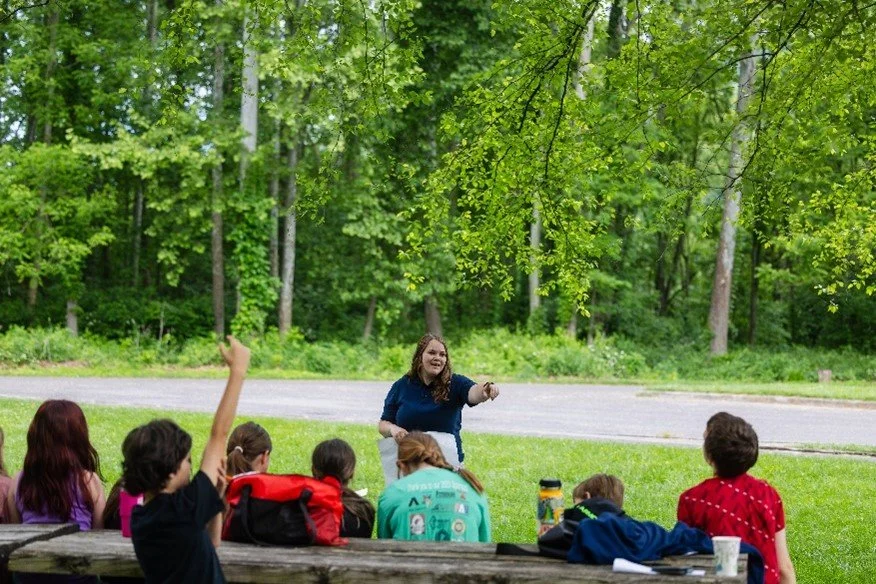
- Guided hikes with invasive-species identification
- Trailhead signage & kiosk education
- Annual Invasive Species Training & Removal Day
- Volunteer work parties for targeted removal
- Printable guides & website resources for homeowners
Each volunteer hour helps restore native habitat and strengthens Pelham’s ecological resilience.
How You Can Help Protect Pelham’s Natural Lands
- Learn to identify one invasive species this season
- Join a Pelham Pathways removal event
- Adopt a trail section or meadow
- Protect meadow habitat by avoiding off-trail mowing
- Plant native shrubs, flowers, and trees at home
- Encourage science-based stewardship practices in the community
Healthy landscapes depend on all of us.
Together, We Can Restore & Protect Pelham’s Natural Heritage
Pelham Pathways believes strongly in collaboration with all land-management partners, including the Forestry Committee. As science evolves, so do our stewardship practices. By using species-specific approaches and avoiding broad disturbance methods like routine mowing, Pelham can become a regional model for conservation excellence.
Our shared goals are:
- Healthy, biodiverse ecosystems
- Safe, enjoyable public access
- Reduced invasive species over time
- Stewardship that reflects the best ecological science
