A Sanctuary of Life, Legacy & Nature
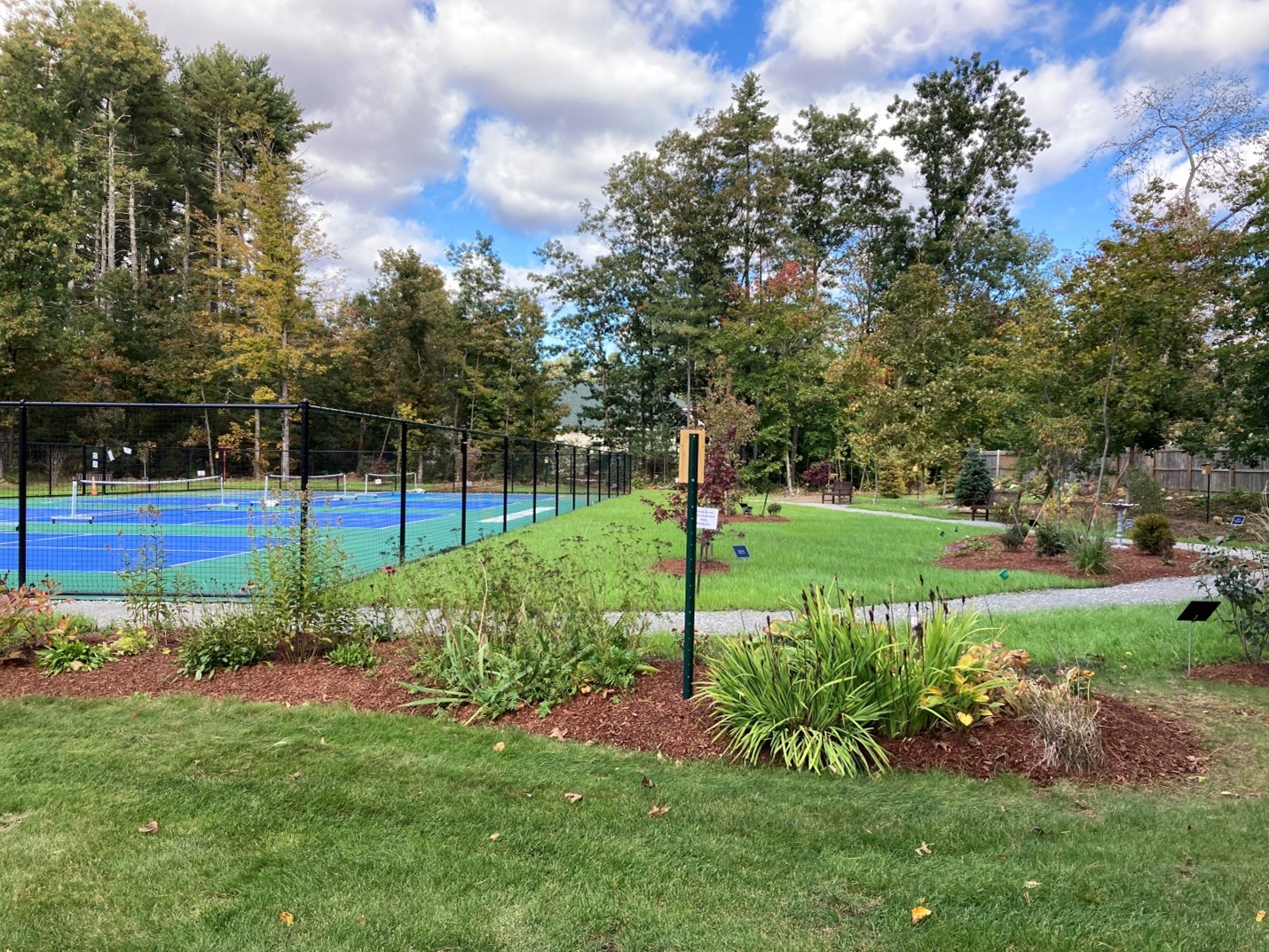
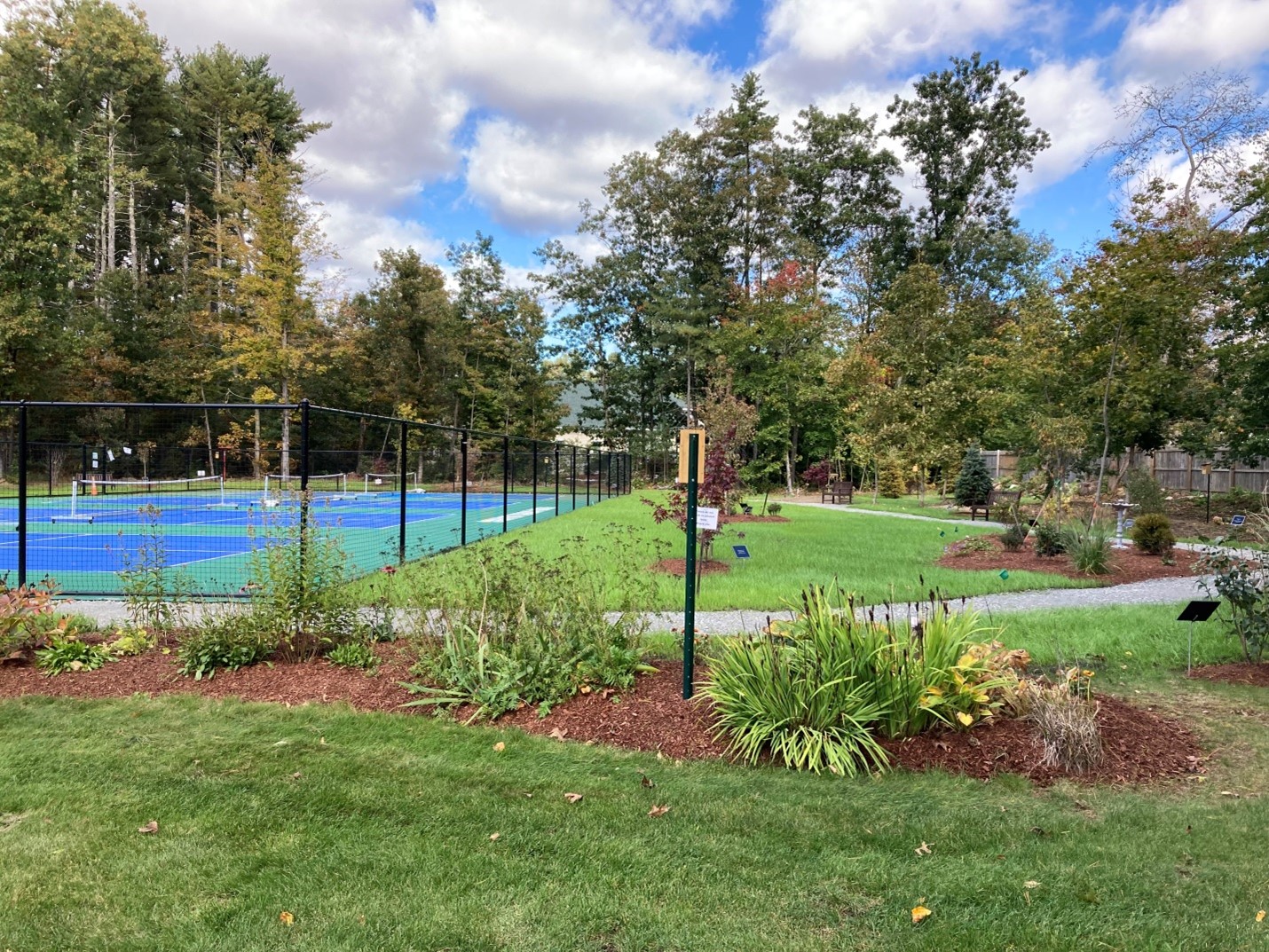
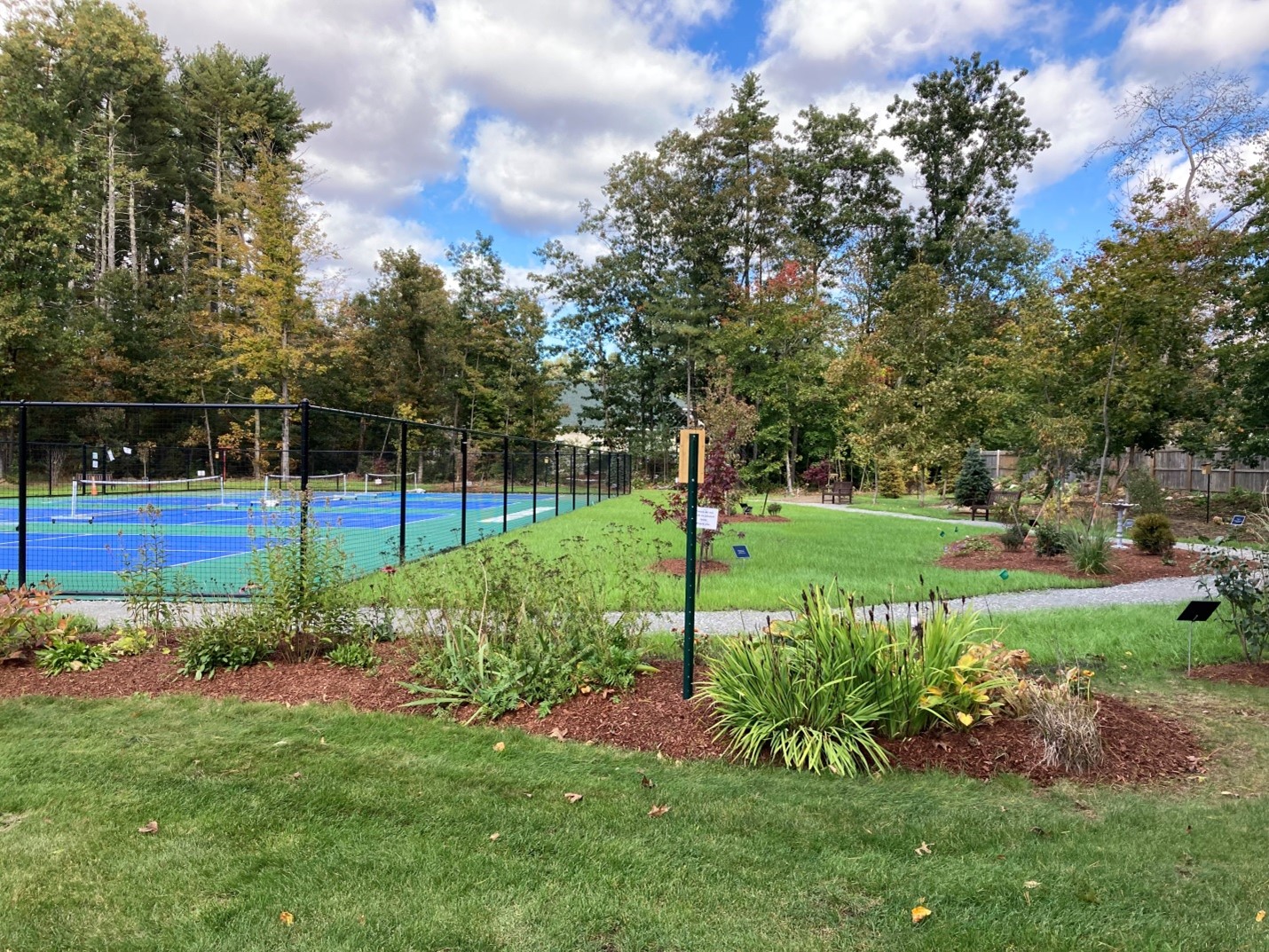
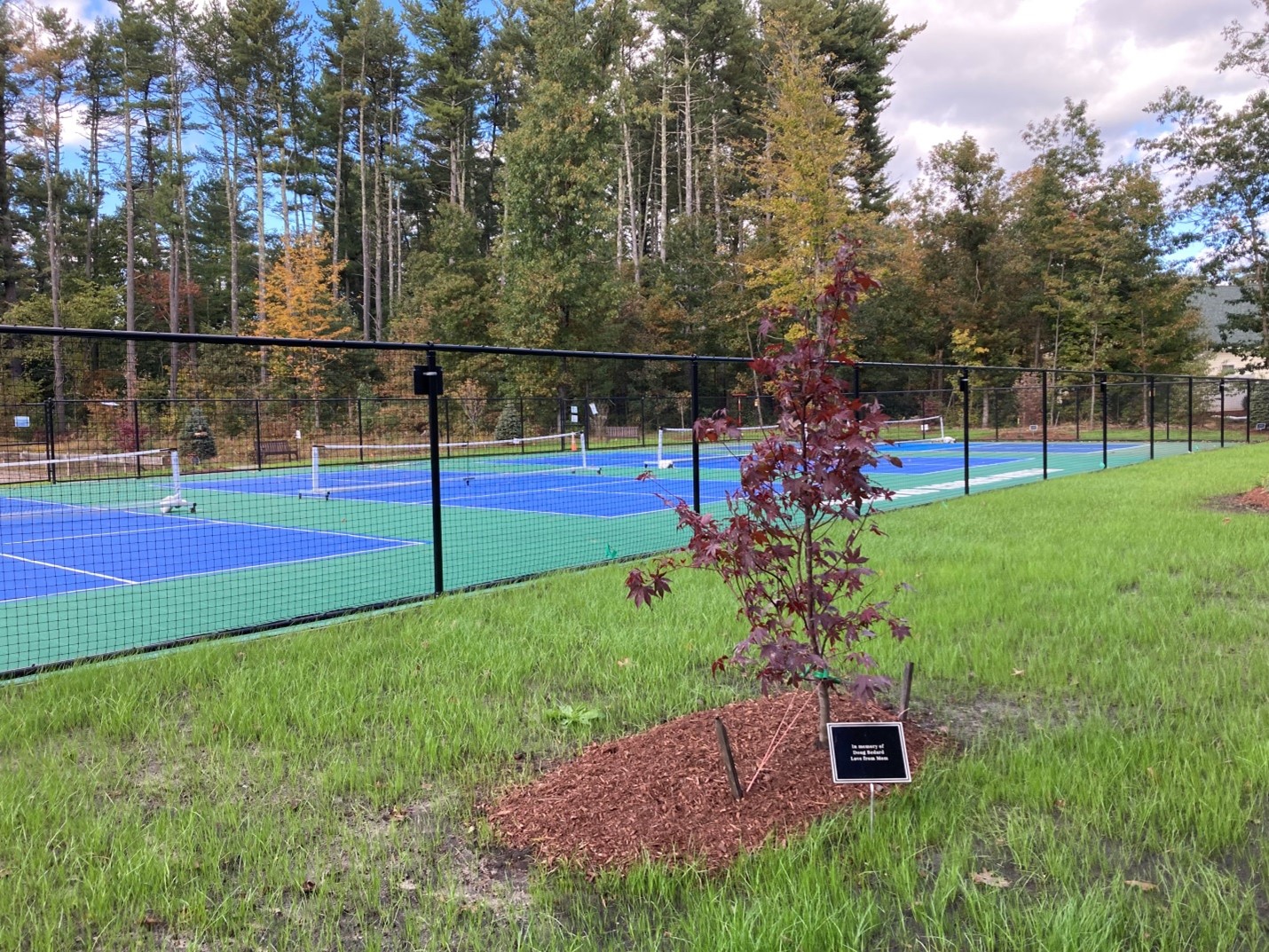
Celebration Park was created as a living tribute to the people of Pelham—a place where memories flourish, community grows, and nature is restored. Once a simple patch of lawn beside the pickleball courts, the area has been transformed into a vibrant memorial garden and outdoor classroom through the generosity, creativity, and stewardship of residents, volunteers, and partner organizations.
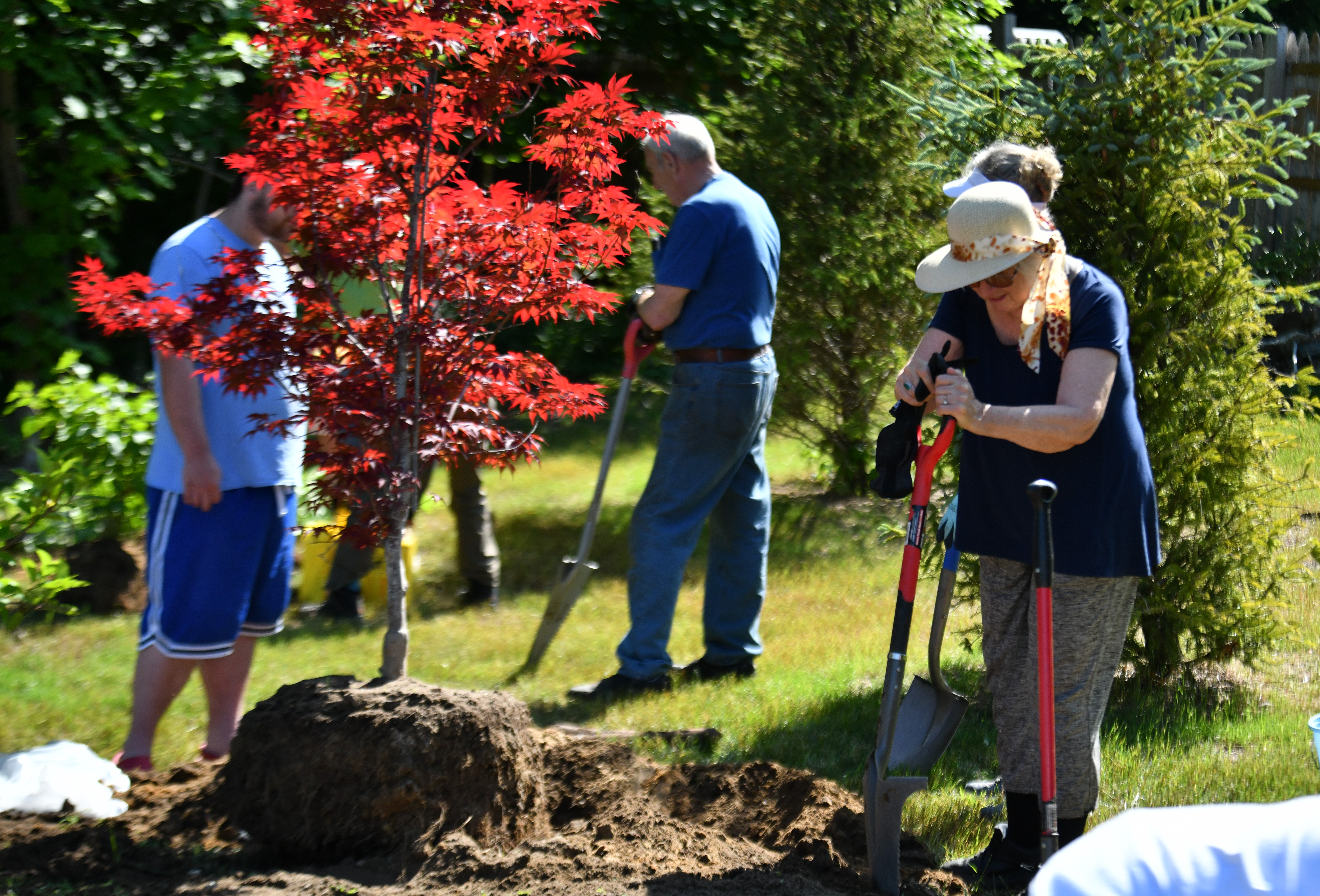
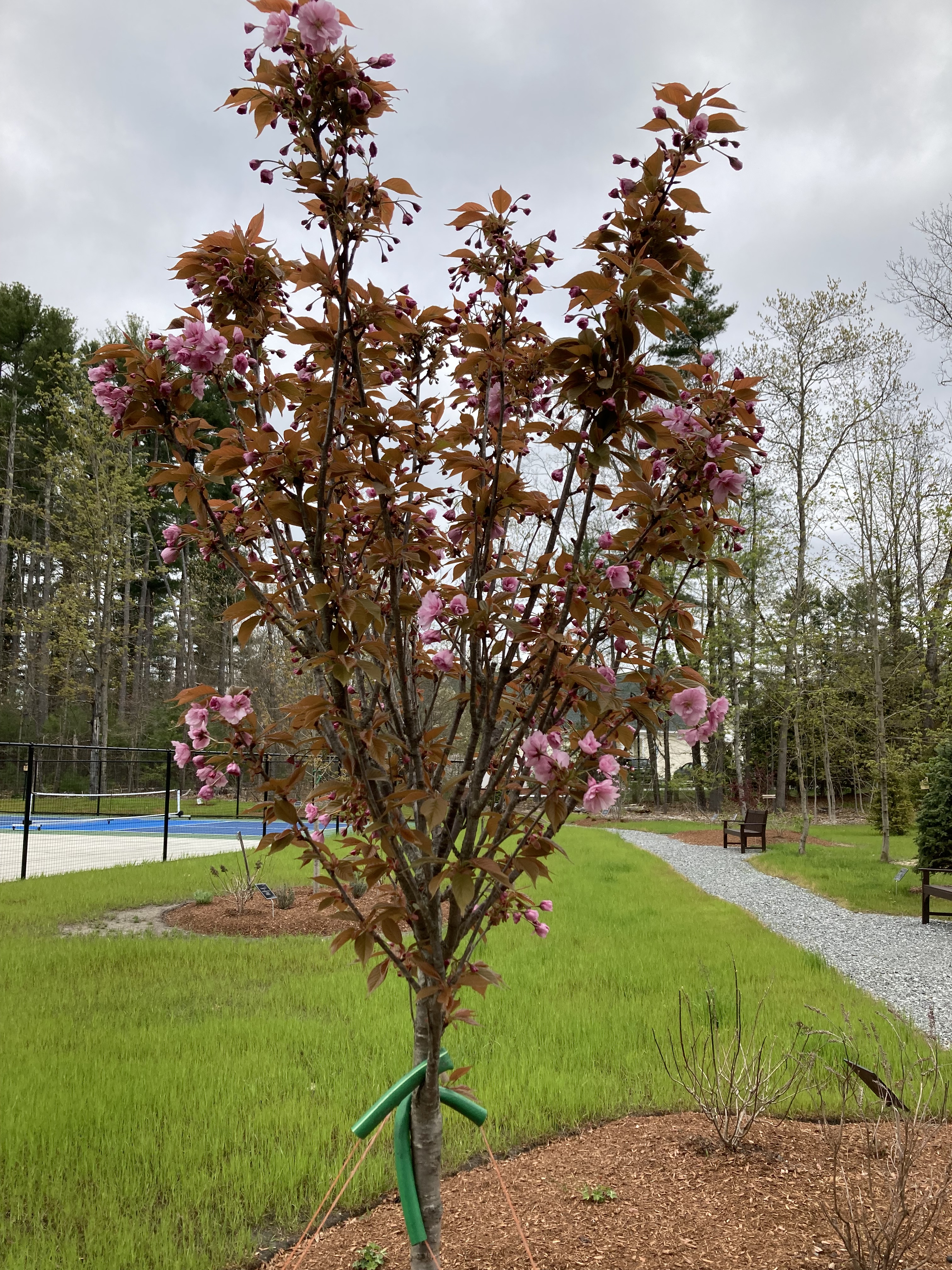
At its heart, Celebration Park exists to honor loved ones. Every tree and shrub planted in the park was donated by community members, creating a landscape where each planting represents a story, a celebration, or a remembrance. Pelham Pathways is committed to caring for these memorial trees and shrubs in perpetuity, ensuring they continue to grow as a lasting legacy.
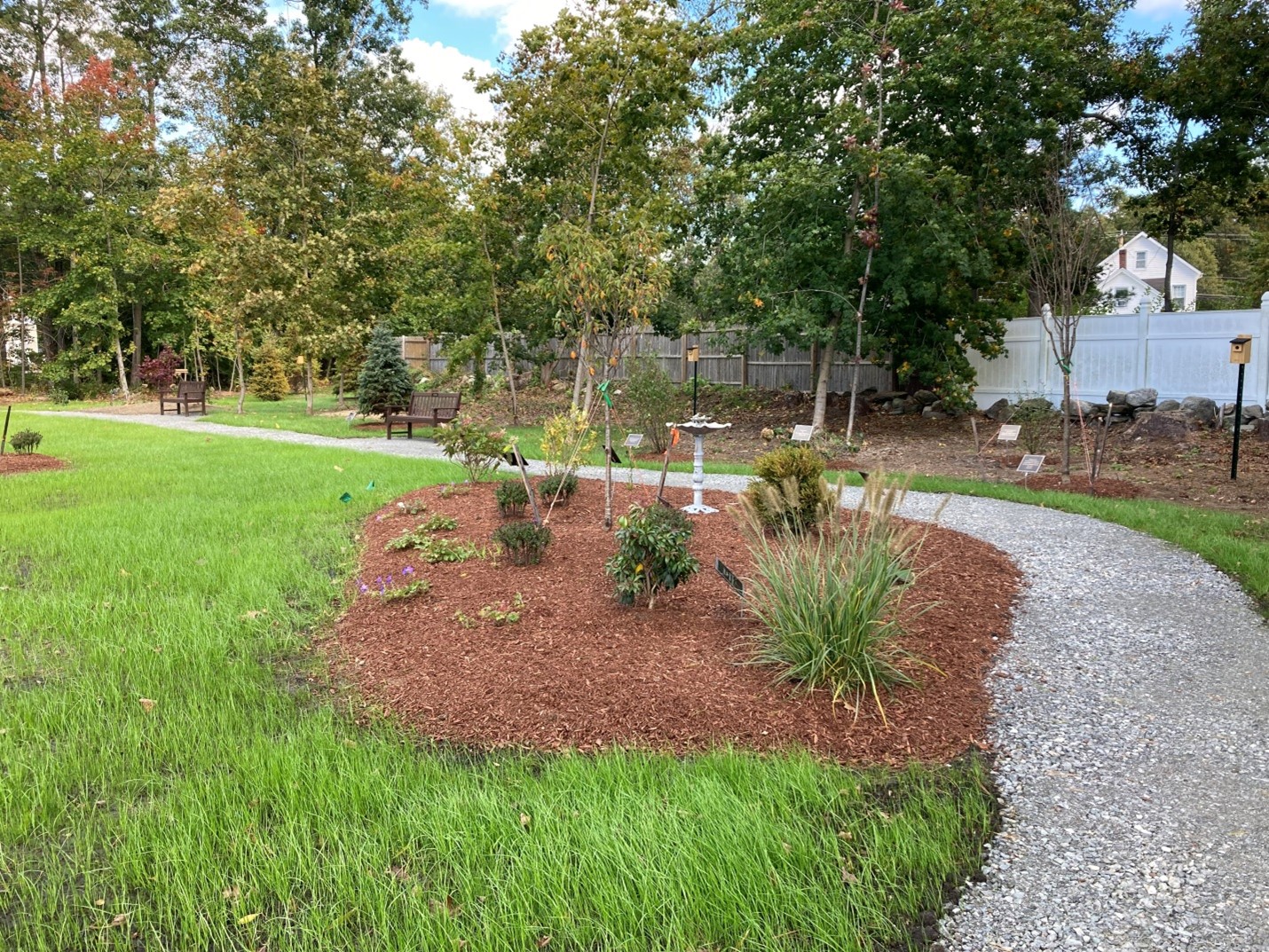
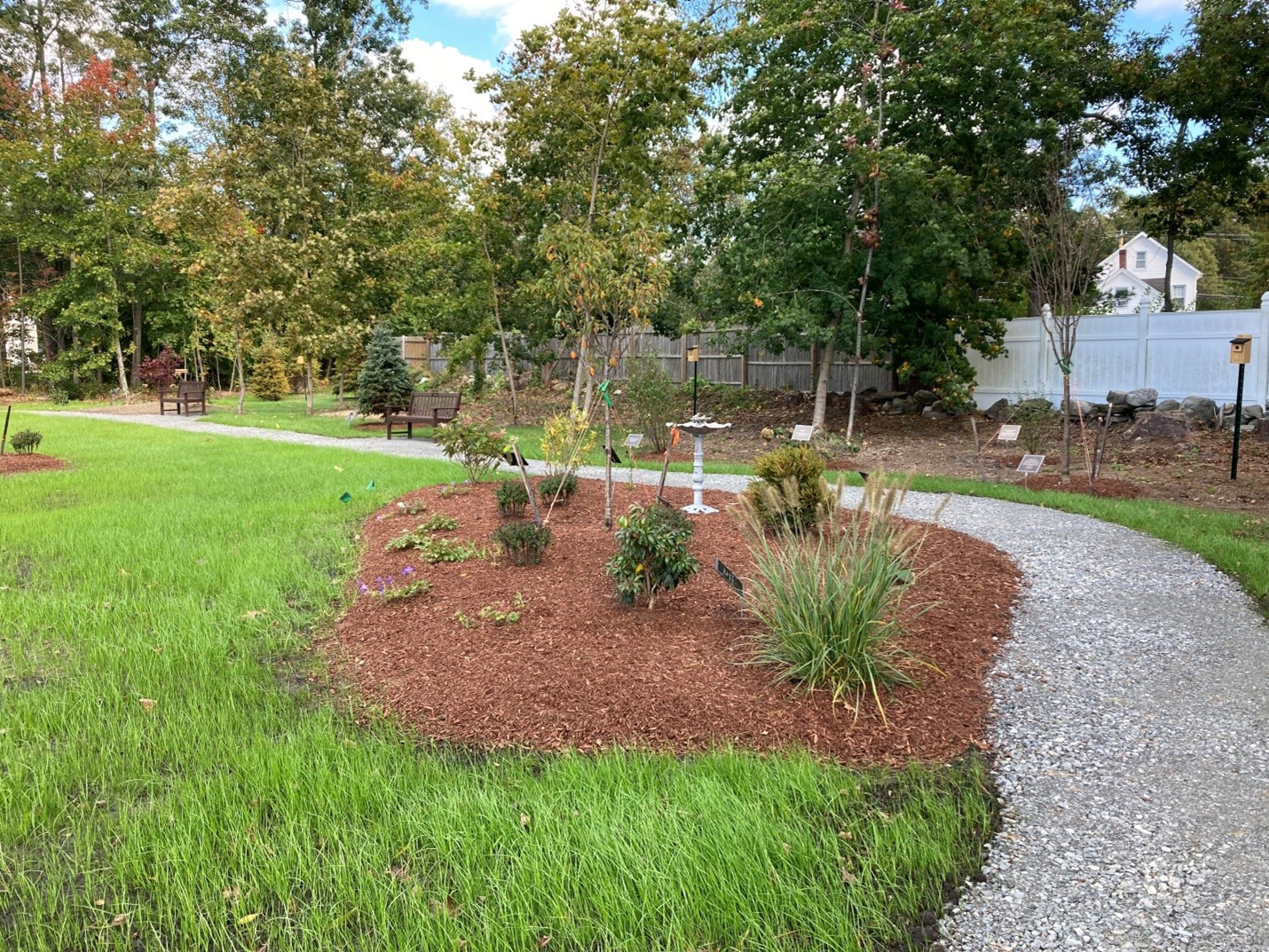
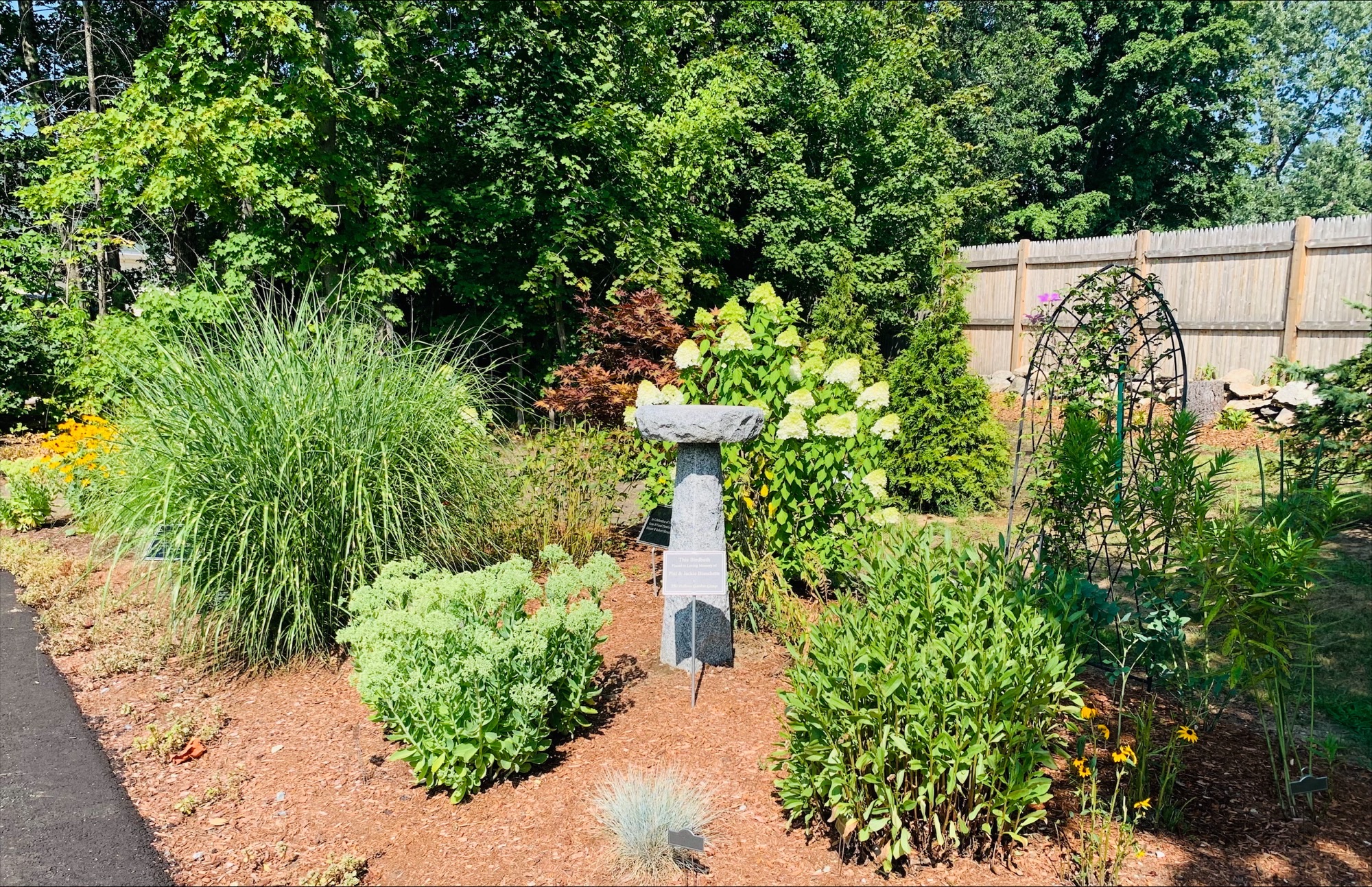
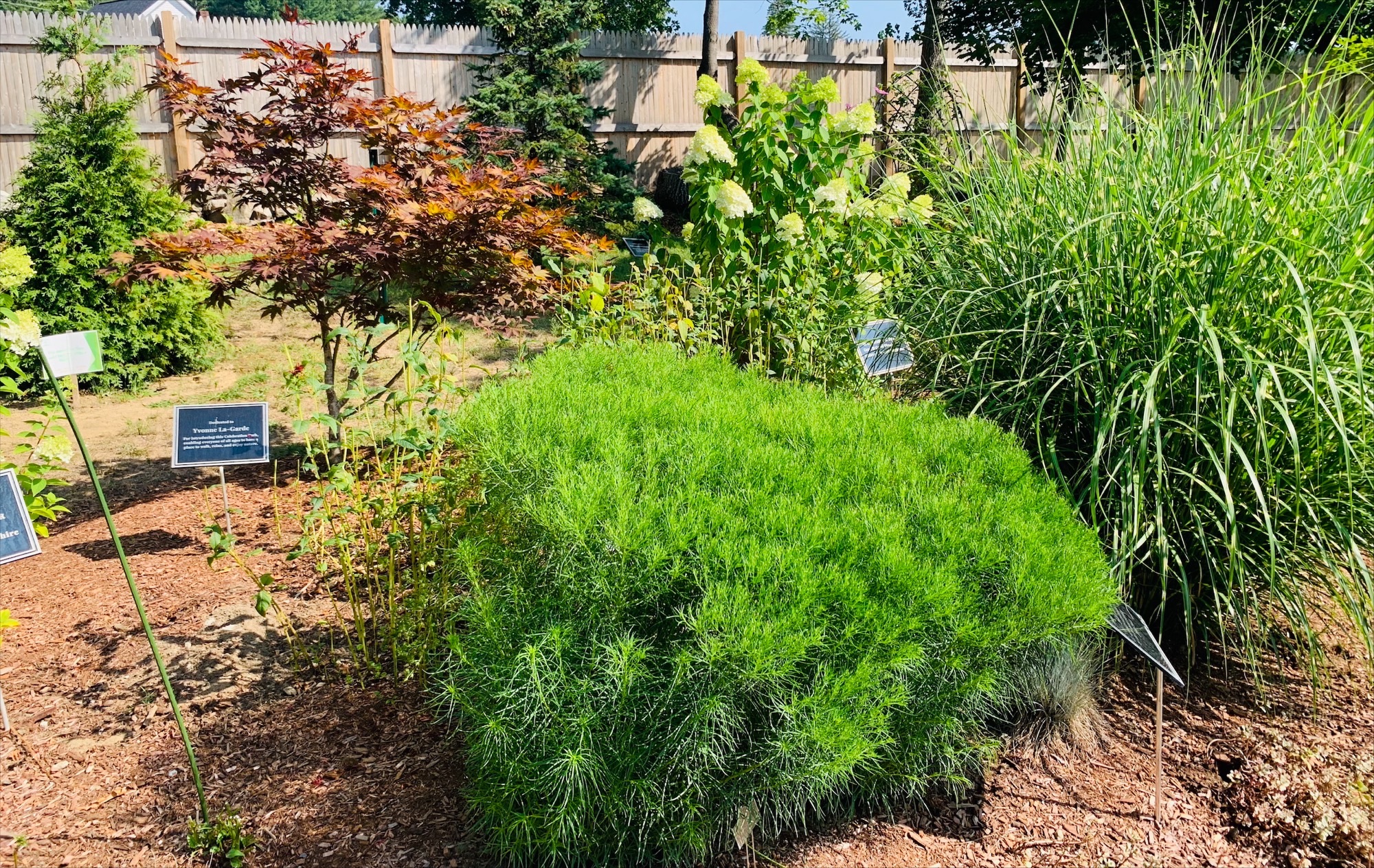
The park also serves as a model of ecological restoration and community-driven conservation. Native plants, pollinator-friendly gardens, wildlife habitat, and sustainable land-care practices are carefully integrated throughout the space. Volunteers help maintain perennial beds, expand pollinator gardens, mulch using organic and chemical-free methods, and monitor the health of new plantings. Partnerships—including the Pelham Garden Group, Pelham Bluebird Society, and Bartlett Tree Experts—ensure professional care, habitat preservation, and ongoing ecological improvements.
From an accessibility standpoint, Celebration Park is designed for everyone. Wheelchair-friendly pathways, shaded seating areas, and an All-Terrain Rolling Walker make the park welcoming to visitors of all ages and abilities. Its location next to Hobbs Community Center and the pickleball courts creates an inviting gathering space for recreation, reflection, and family-friendly activities.
Celebration Park – Special Features
Pollinator Gardens
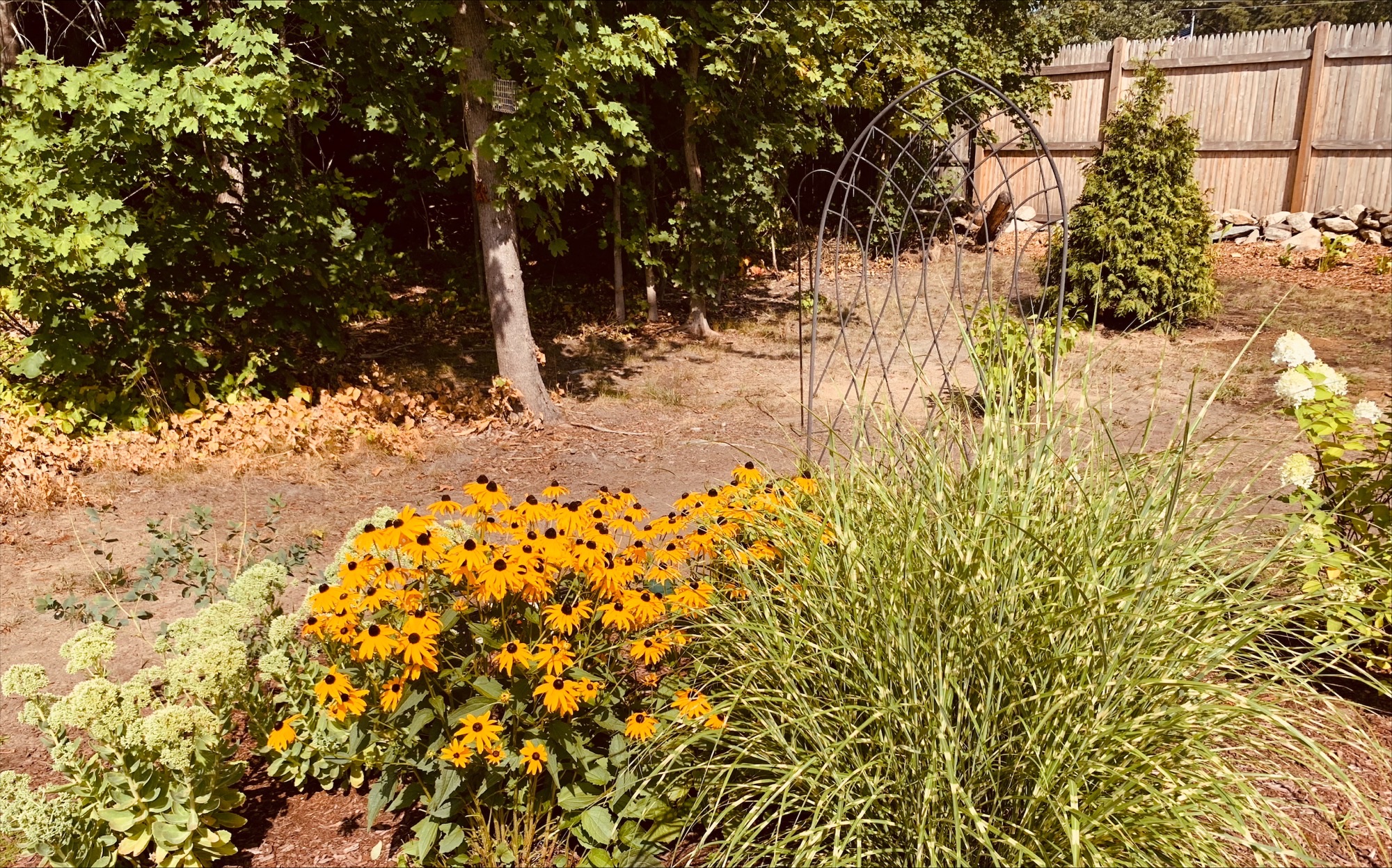
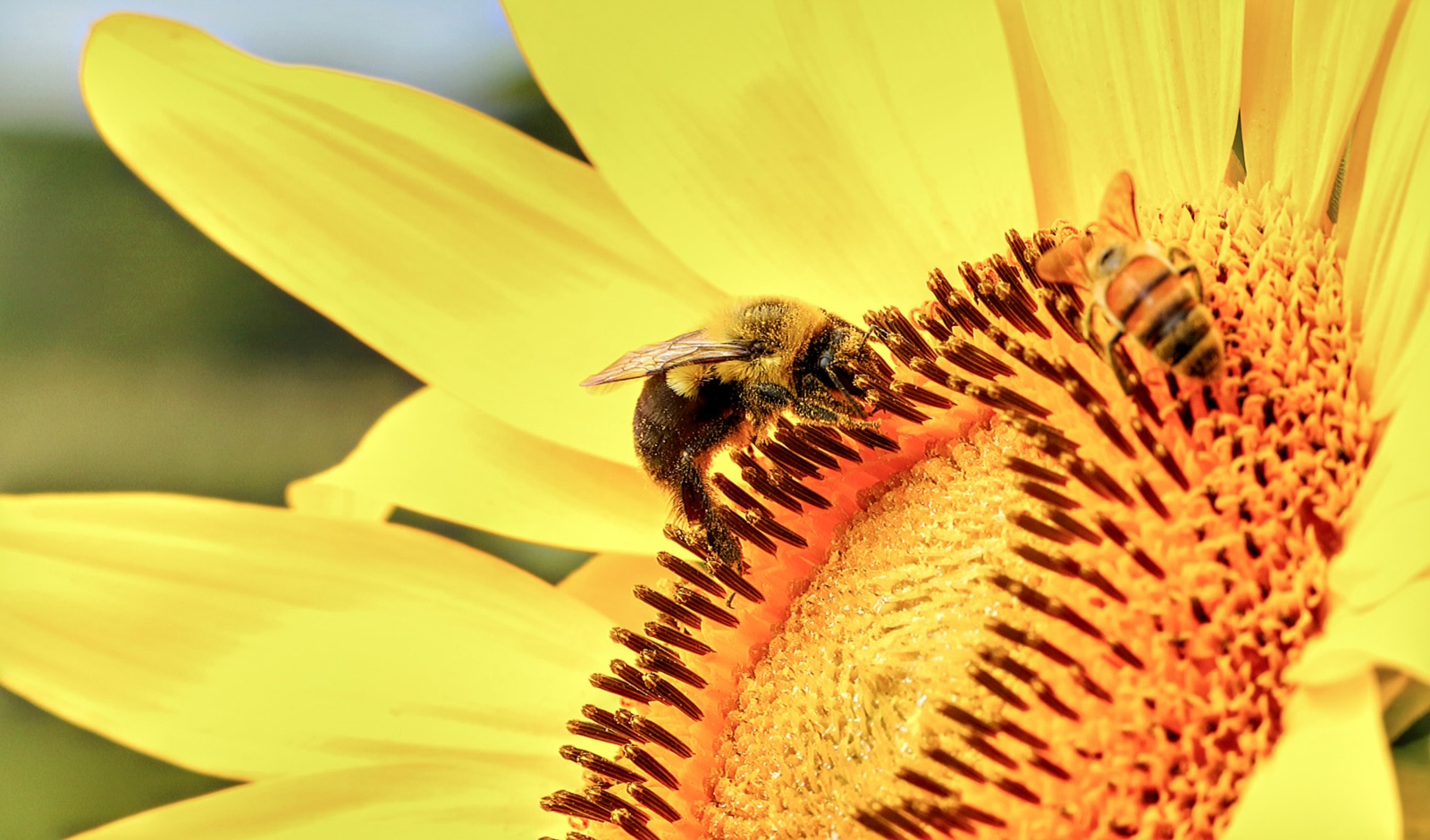
Pollinators like Monarch butterflies and bumblebees are essential to keeping our gardens and ecosystems healthy. Sadly, these species are struggling. The good news? You can help by creating a pollinator-friendly garden right here in New Hampshire!
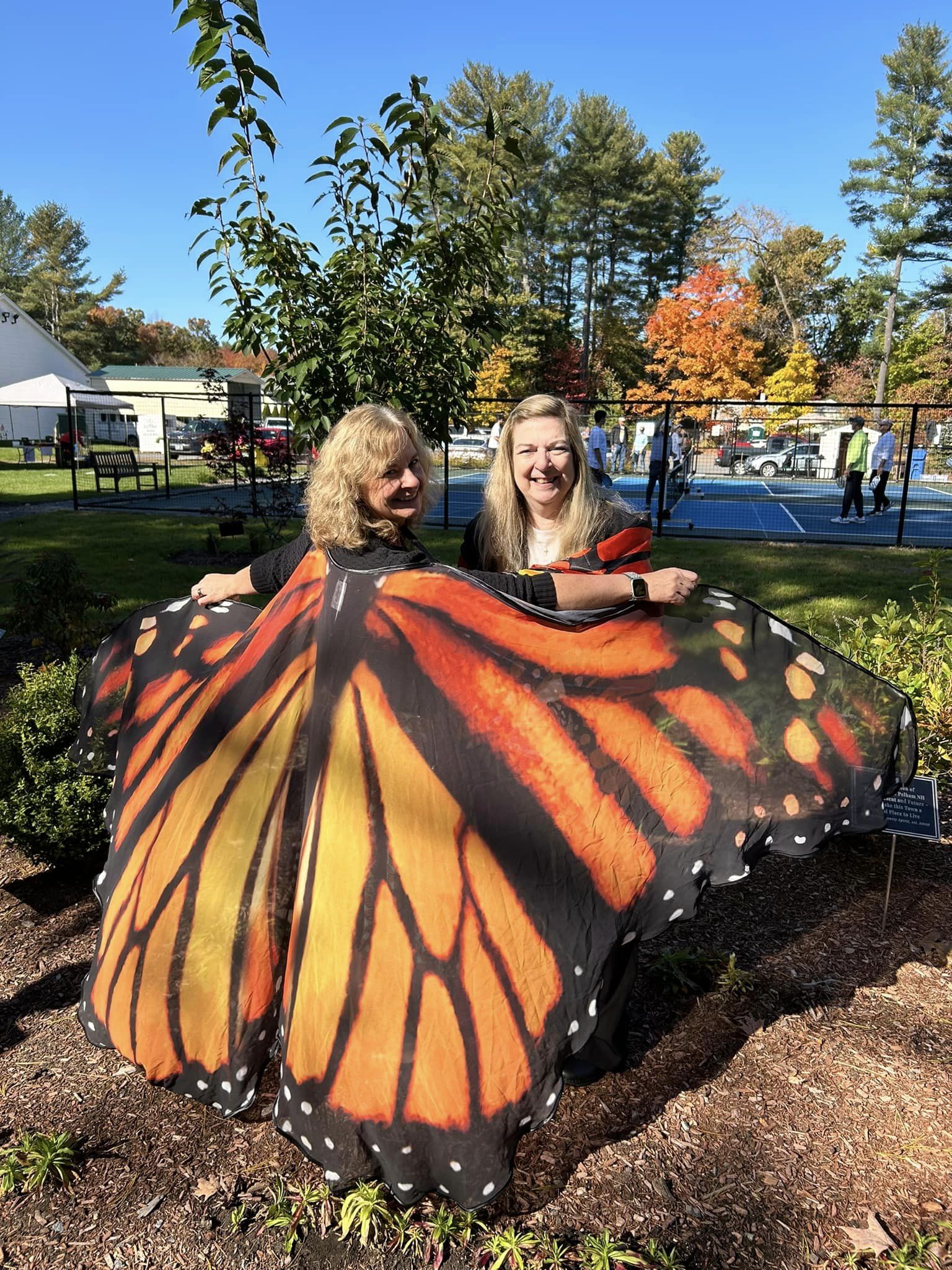
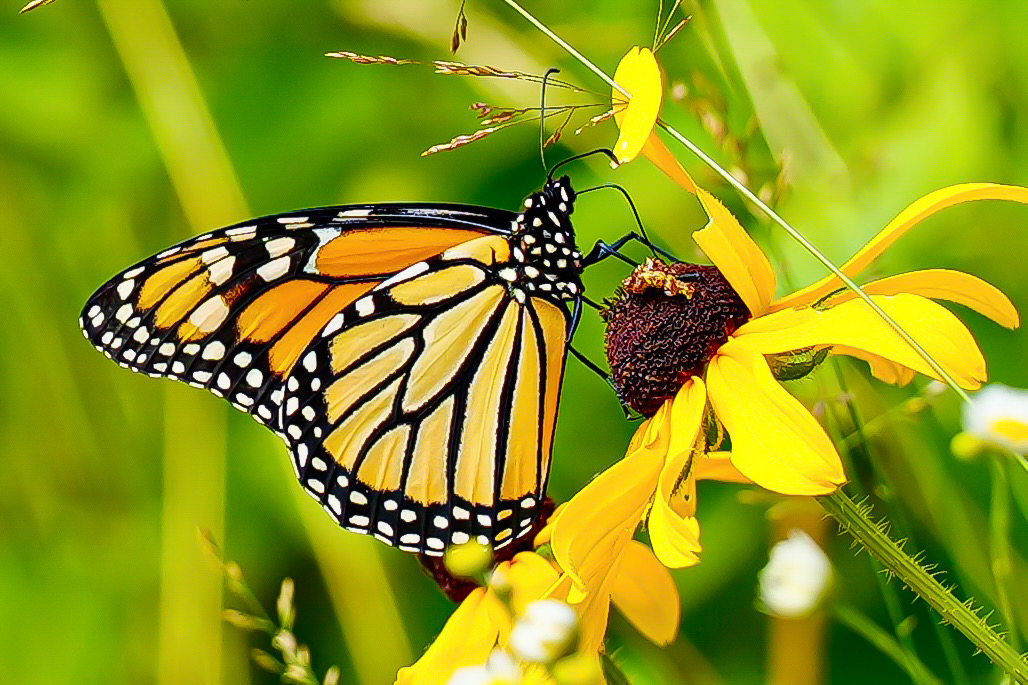
The Amazing Monarch Butterfly: Monarch butterflies are famous for their incredible 3,000-mile journey from Canada and the U.S. to Mexico each year. Even with their tiny brains, they use air currents and the sun to find their way! Monarchs can fly up to 265 miles in a day, reaching heights of 10,000 feet.
Why Monarchs Need Our Help: Monarch populations have dropped by 80% in the last decade due to habitat loss and climate change. Without action, they could disappear in the next 30 years. You can make a big difference by planting milkweed, the only plant Monarch caterpillars eat.
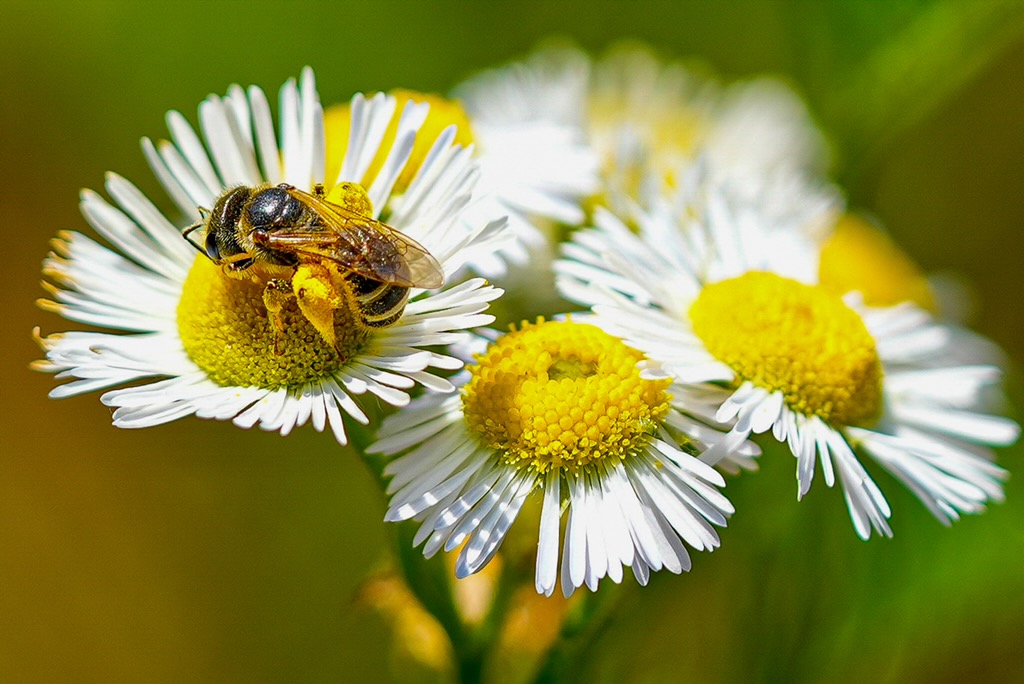
Bumblebees: NH’s Super Pollinators: While honeybees get a lot of attention, New Hampshire’s native bees are the real heroes. These include bumblebees, mason bees, leafcutter bees, and more. Bumblebees are excellent pollinators for gardens, orchards, and farms.
Bumblebee Basics
- 16 species of bumblebees live in NH.
- They rarely sting unless threatened.
- Their wings beat 200 times per second!
- Bumblebees warm up by shivering to 86°F before flying.
Unfortunately, some of NH’s most important bumblebees have drastically declined, like the Golden Northern Bumblebee (down by 96%) and the Rusty Patched Bumblebee, which hasn’t been seen here since 1993.
How to Help Bumblebees: Planting native flowers provides food and shelter for these important pollinators. Here are some NH-native plants that bumblebees and Monarchs love:
- Milkweed
- Beebalm
- Goldenrod
- Purple Coneflower
- New England Aster
- Columbine
- Black-eyed Susan
Simple Steps to Start Your Pollinator Garden
- Plant Native Flowers: Choose a mix that blooms from spring to fall.
- Avoid Pesticides: These can harm bees and butterflies.
- Leave Wild Spaces: Small patches of wild grass or soil provide nesting areas.
- Add Milkweed: Essential for Monarch caterpillars!
Together, we can protect these vital pollinators and ensure they thrive for generations to come.
The Bluebird Sanctuary
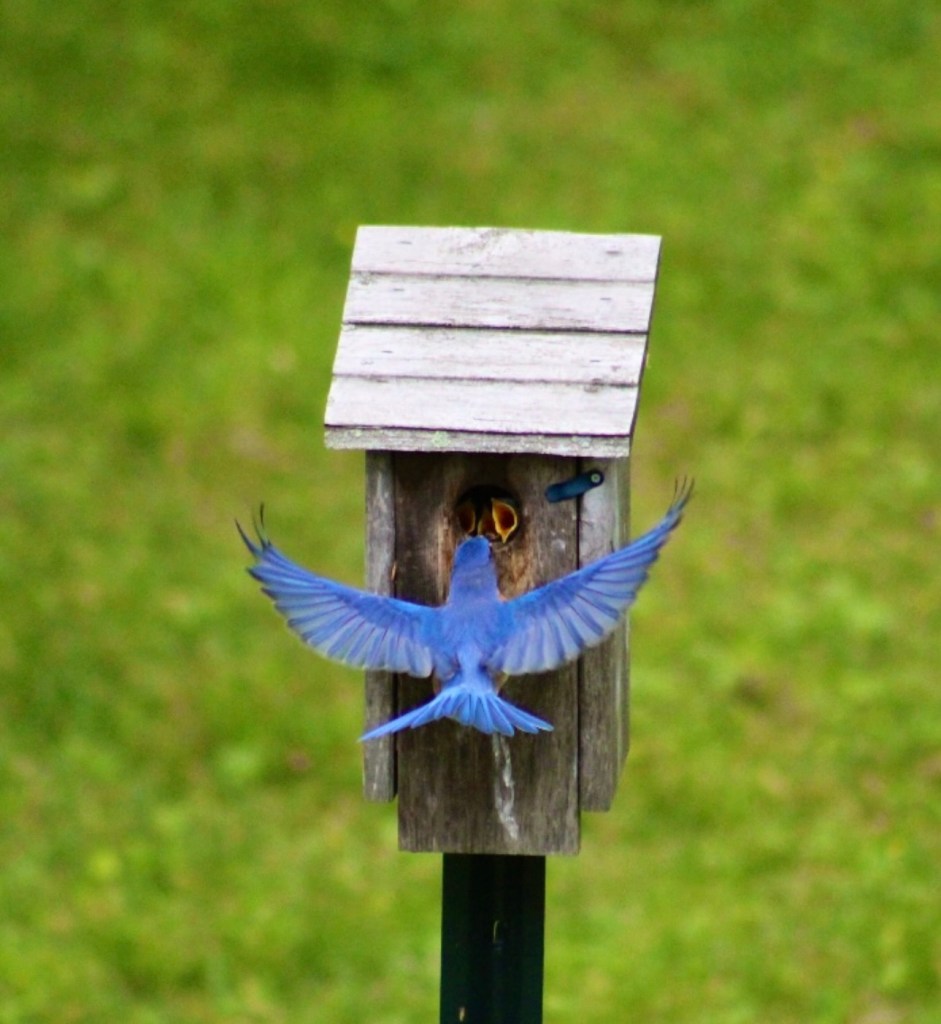
As urban development continues to encroach on our natural landscapes, creating safe havens for local wildlife becomes increasingly important. The Pelham Bluebird Society is a dedicated group of individuals working to provide food, forage, and shelter for our feathered friends, particularly the Eastern Bluebird population in Pelham.
What we do: 🏡 We install and maintain nesting boxes for Eastern Bluebirds at the Merriam Farm Conservation Area. 🌿 Recently, we expanded our efforts to the Celebration Park.
Why nesting boxes matter: 🏠 Eastern Bluebirds rely on tree cavities for nesting. 🌲 Sadly, many of these natural cavities have disappeared due to the removal of old and rotting trees from landscaped areas.
Why Bluebirds matter: 🐛 Eastern Bluebirds are insectivores, helping to control local insect populations. 🍇 They also enjoy wild fruit and berries, contributing to the local ecosystem.
Celebrate at the Celebration Park: 🌟 Visit the Celebration Park to observe these beautiful birds in action. 🍽️ Pelham Pathways volunteers ensure that the park provides an ideal feeding ground for Eastern Bluebirds, offering a delightful opportunity to connect with nature.
By supporting the Pelham Bluebird Society and Pelham Pathways, you’re helping us preserve our local wildlife and create a thriving coexistence between humans and our feathered friends.

Special Shout-Outs
Pelham Garden Club
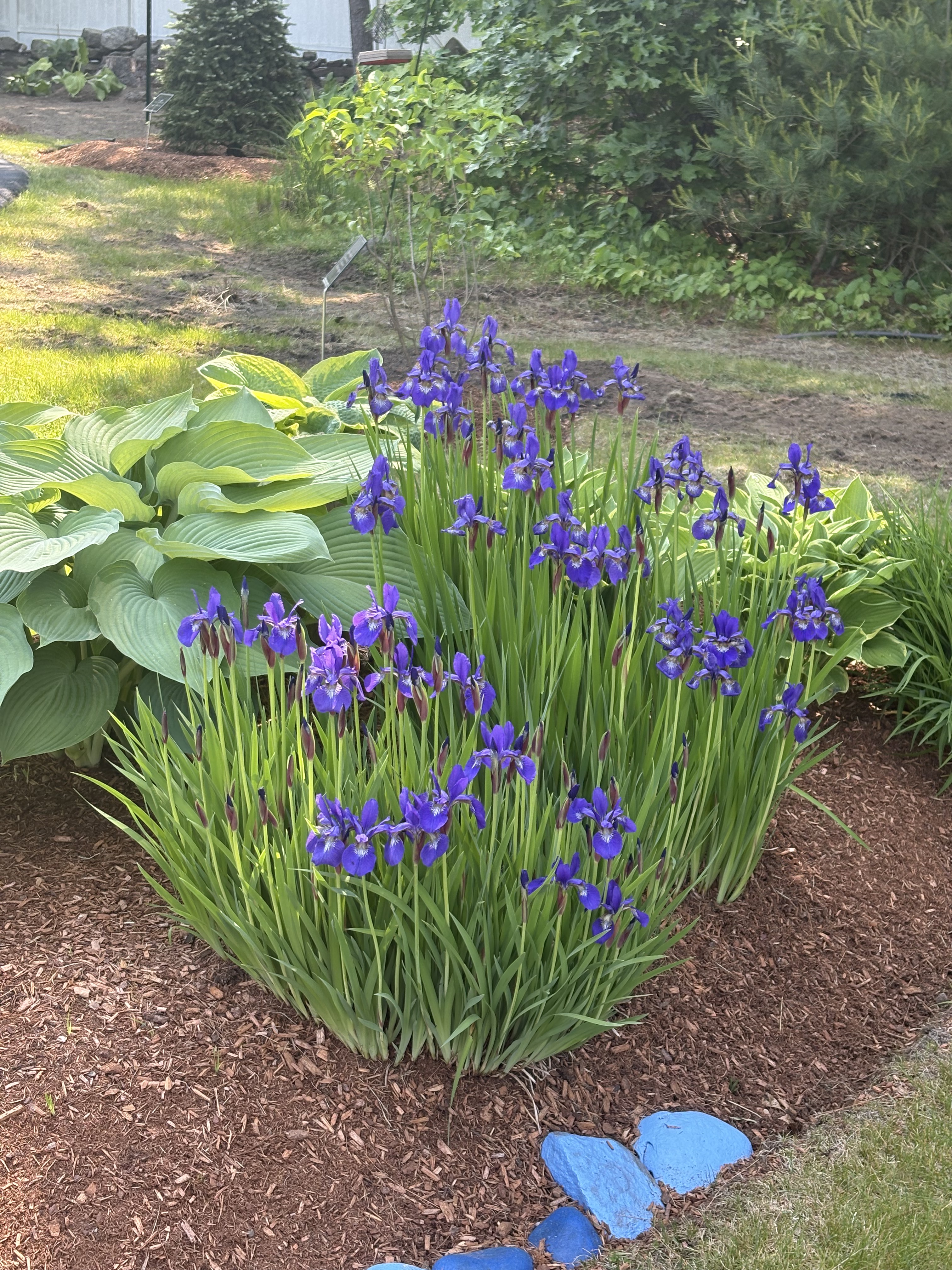
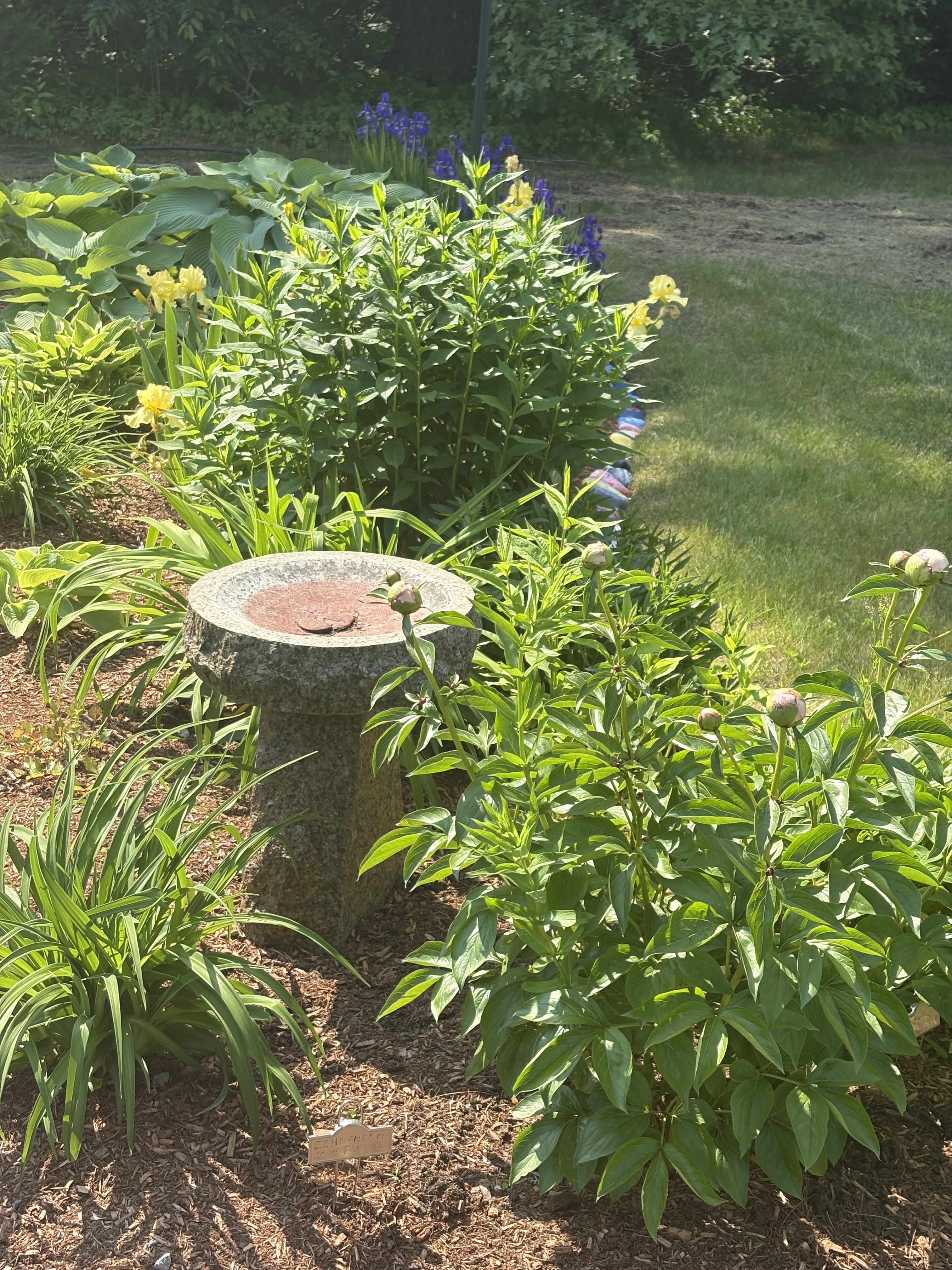
We extend our heartfelt gratitude to the Pelham Garden Group for their effort and dedication in planting a Pollinator Garden at the Celebration Park.
The Pollinator Garden will play a crucial role in supporting the rapidly declining populations of Monarch butterflies and bumble bees in New Hampshire. By providing a rich source of nectar and pollen, this garden will help attract and sustain these essential pollinators, contributing to the overall health of our ecosystem.
A special thank you goes out to Troy Bressette, Lorraine Falcone and Sharyn Roche. They designed, planned and coordinated the planting of the garden.
The Celebration Park and its new Pollinator Garden will undoubtedly become a serene and peaceful place for all who visit and walk the grounds. It stands as a testament to the power of community effort and the beauty of nature, offering a tranquil space for reflection and enjoyment.
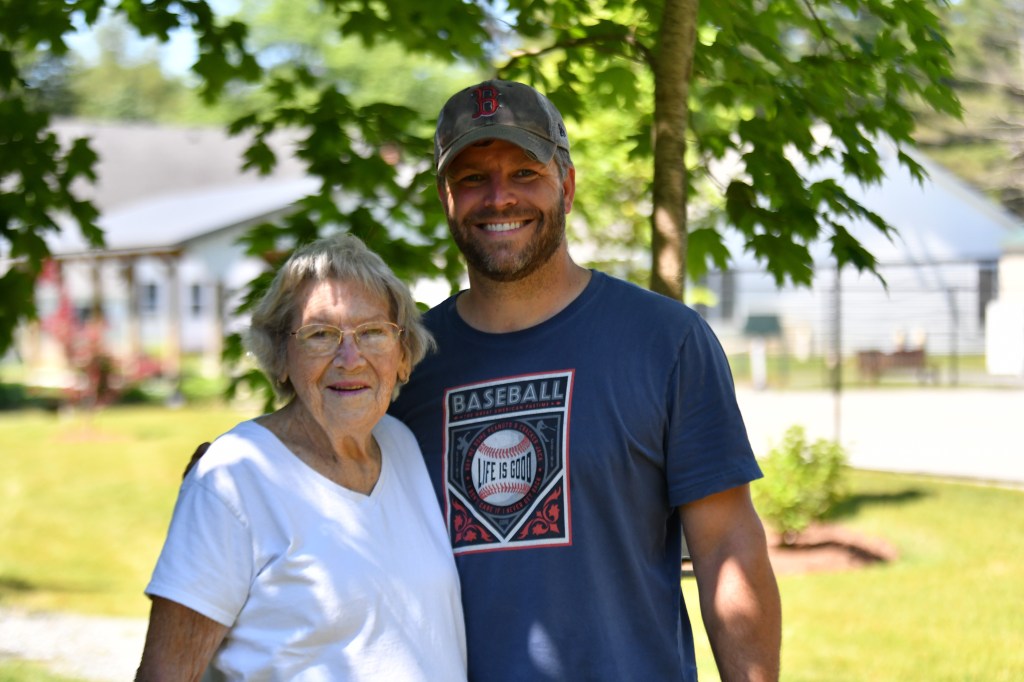
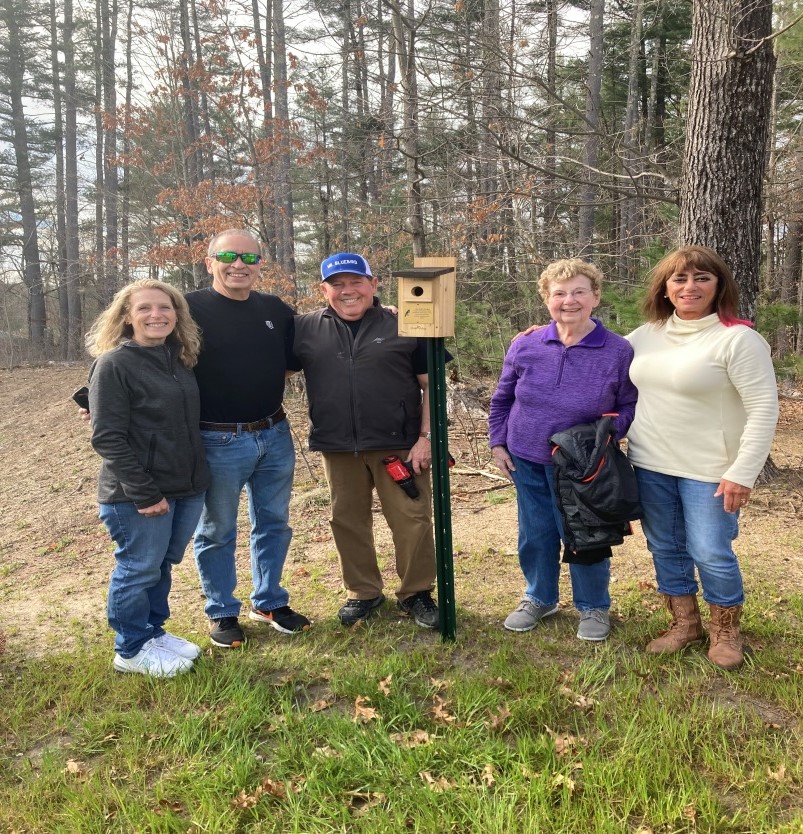
Bluebird Dedication to Ace & Ella Gordon, parents of Lisa Fregeolle,
“Angels protecting these Bluebirds spreading hope, Love and positivity. Forever nesting pairs”
Photo of Lisa & her husband, Rick, with Roger Montbleau, “Chairman of the Bluebird Housing Authority”, Janet Ceasar, COA Celebration Park Committee member and Yvonne La-Garde, Chair of the Pelham Pathways. In the second photo Roger is teaching us how to check on the nesting birds and clean out nests of birds, like the house sparrow. House sparrows are an invasive species from Europe and have done significant damage to populations of native cavity-nesting birds like the Eastern Bluebird.